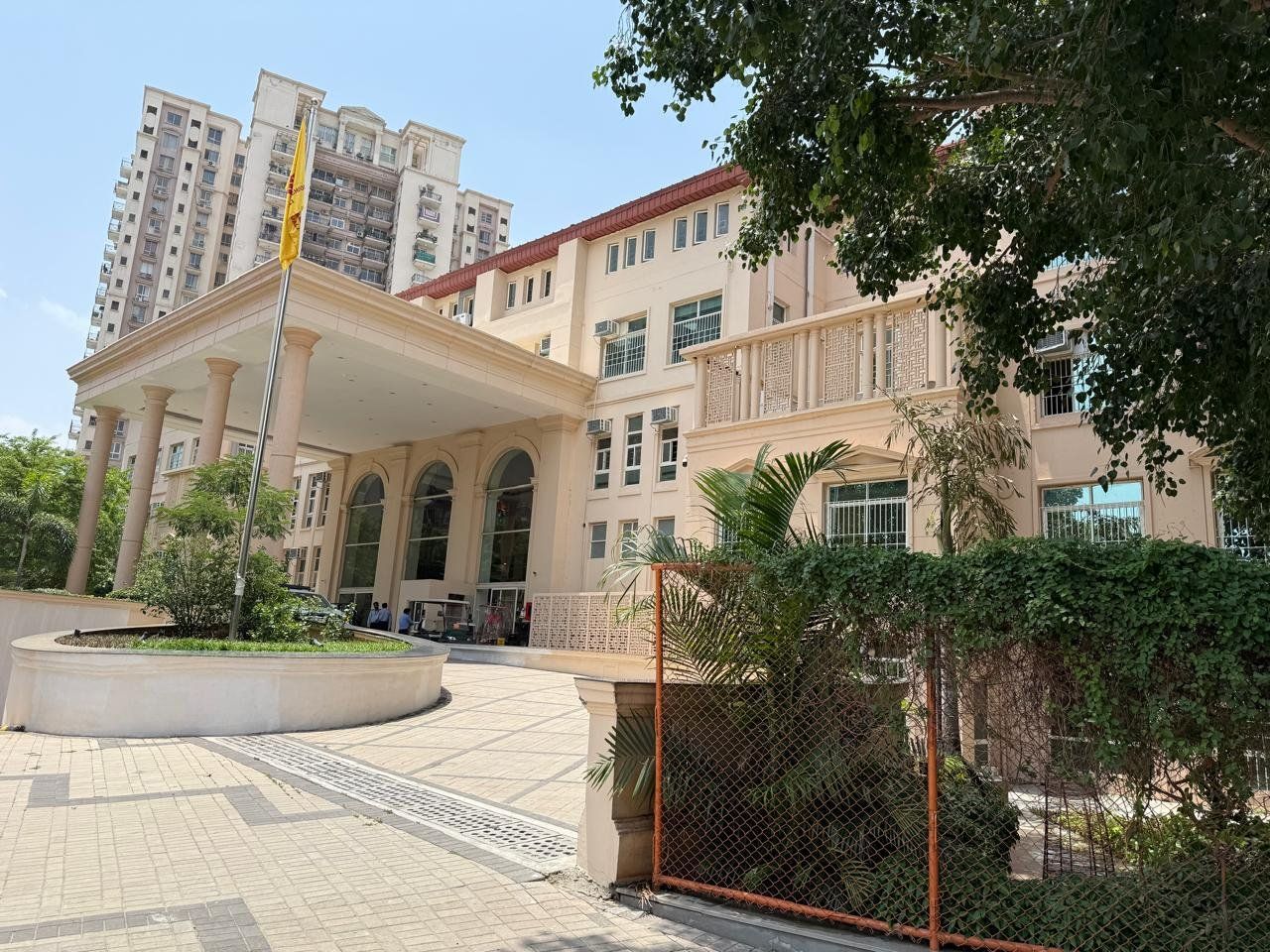
A 1,500 kW
campus,
read live.
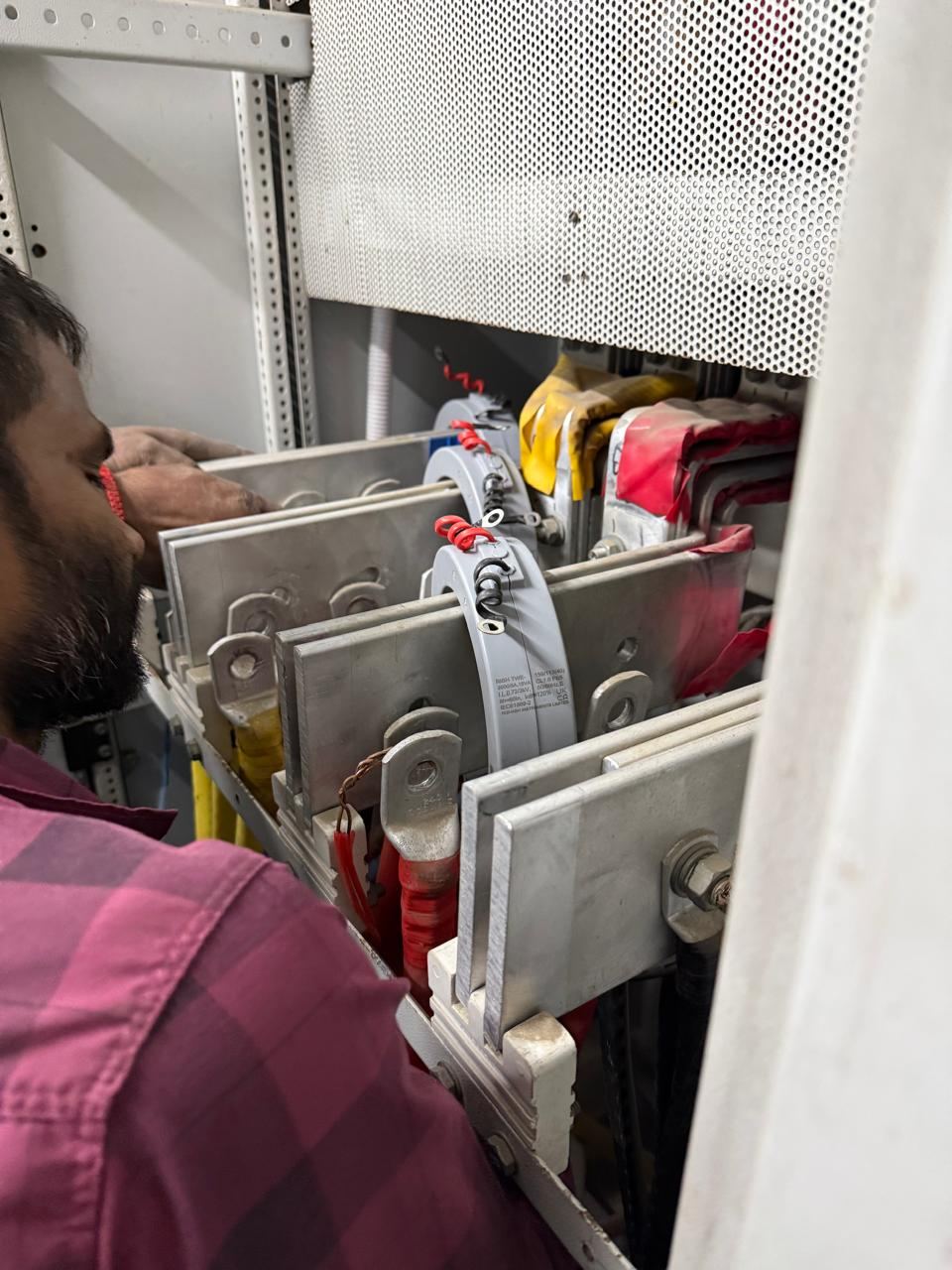
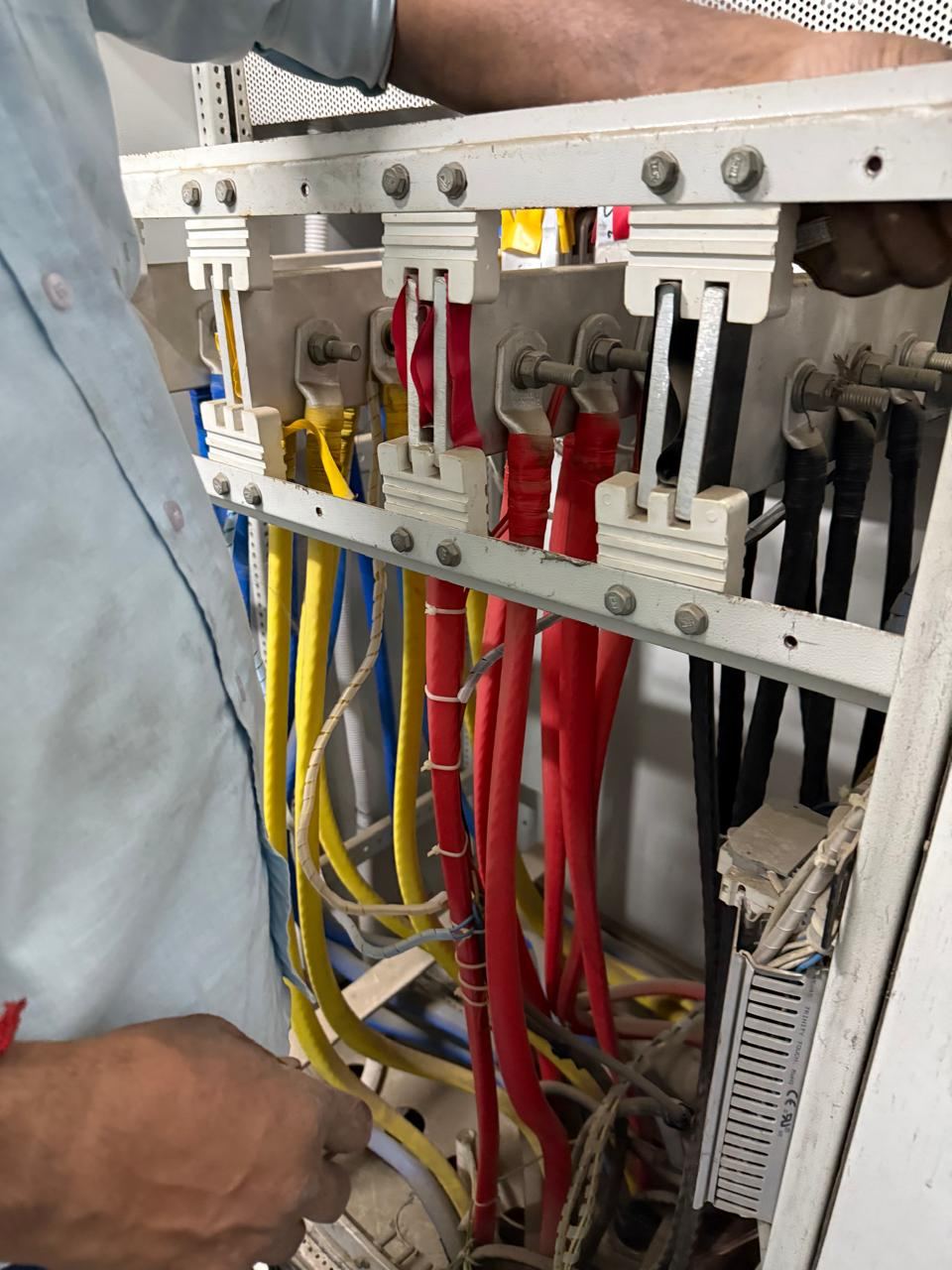
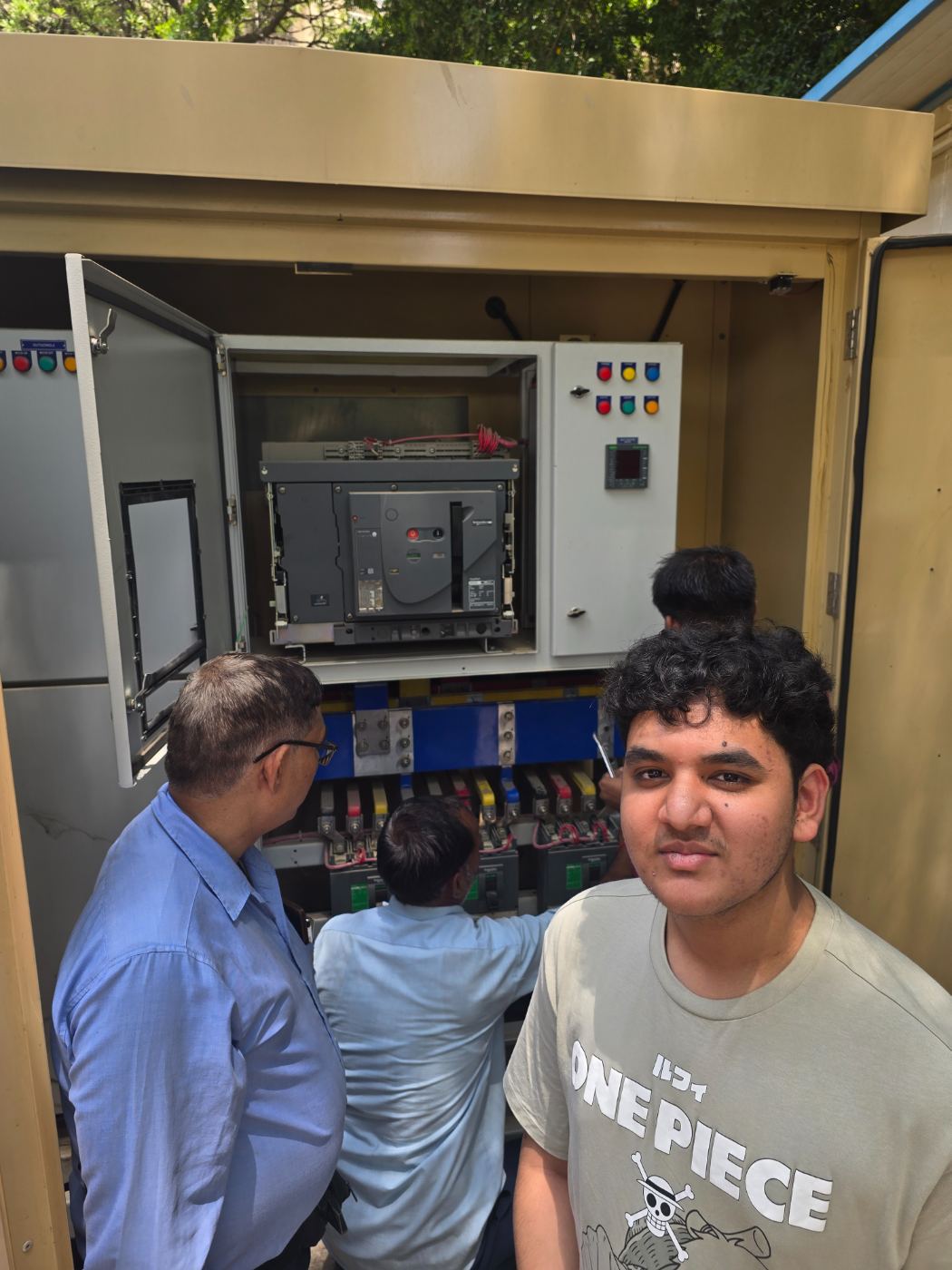
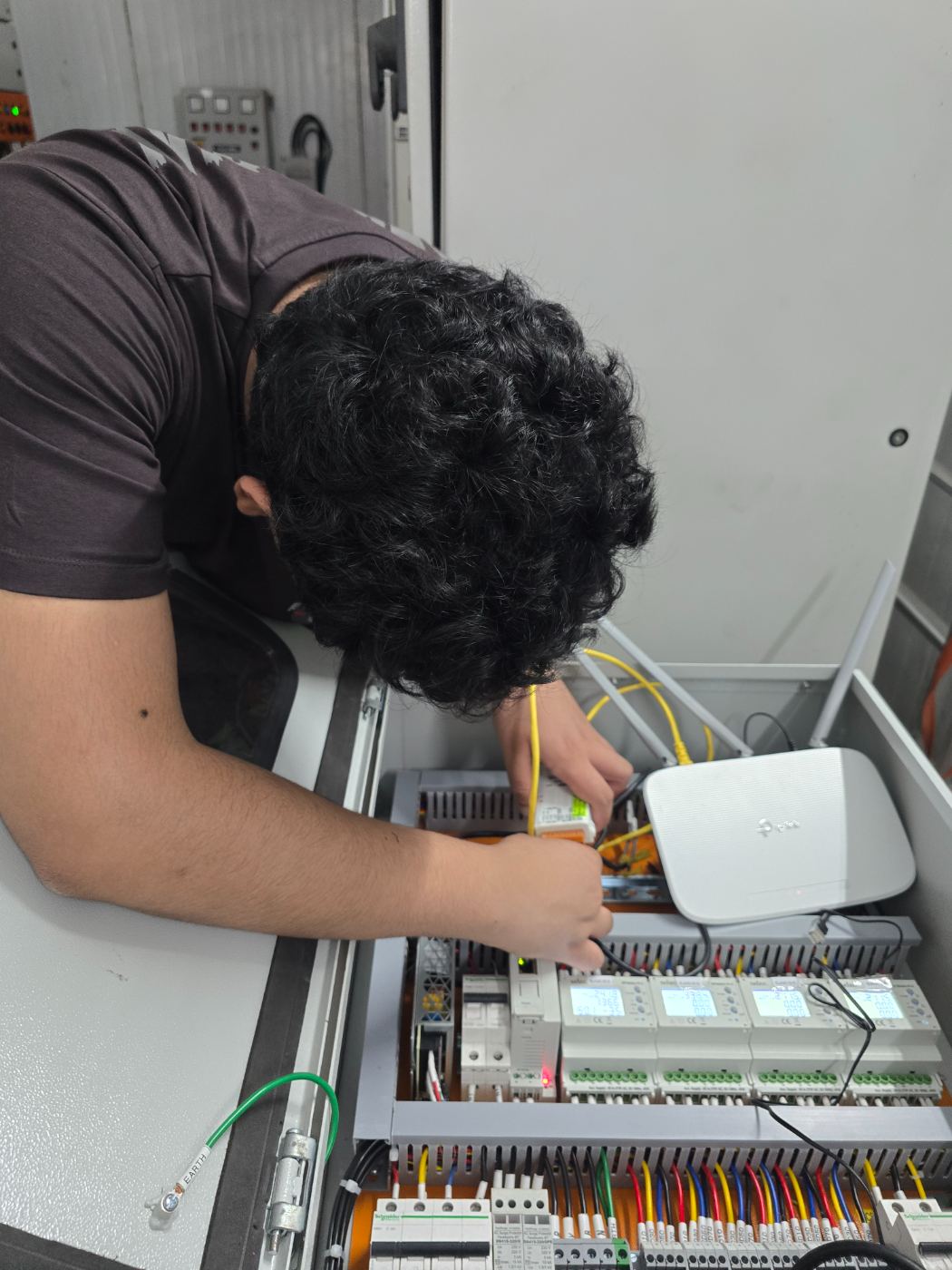
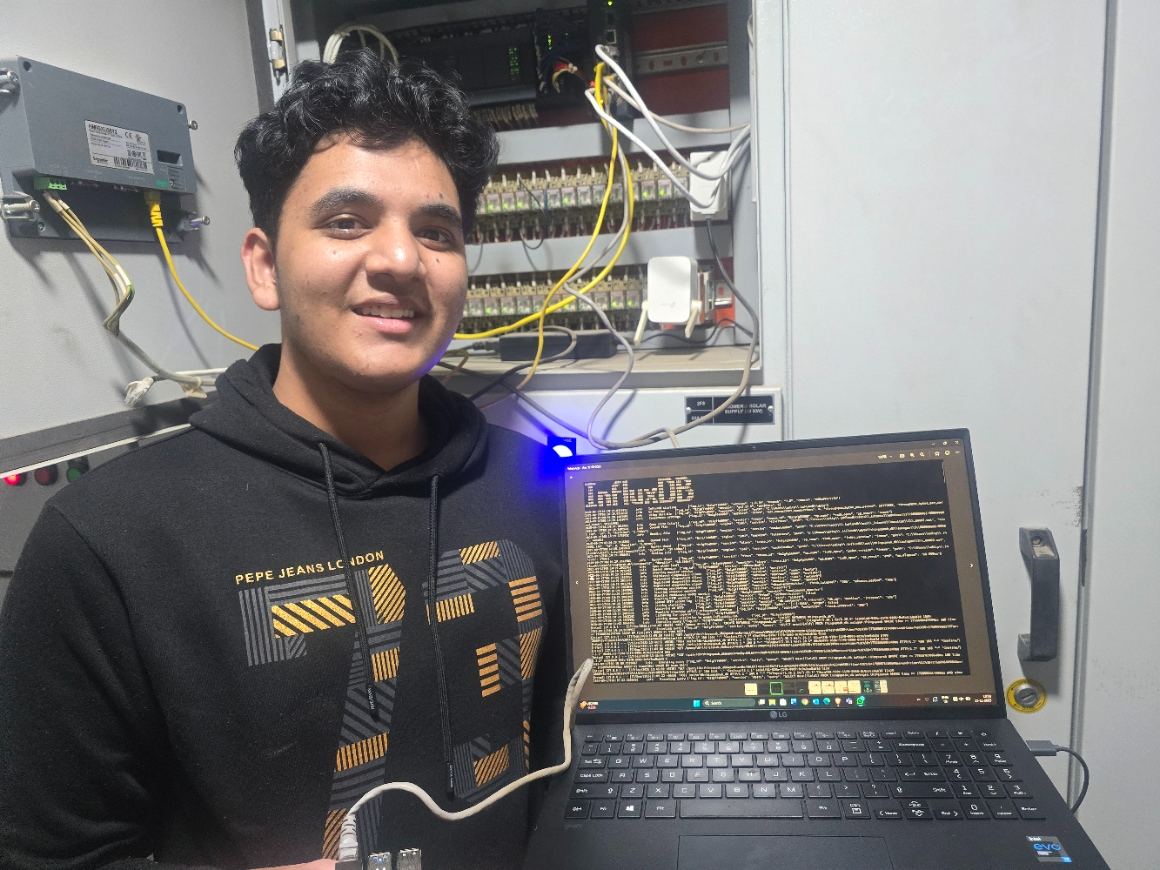
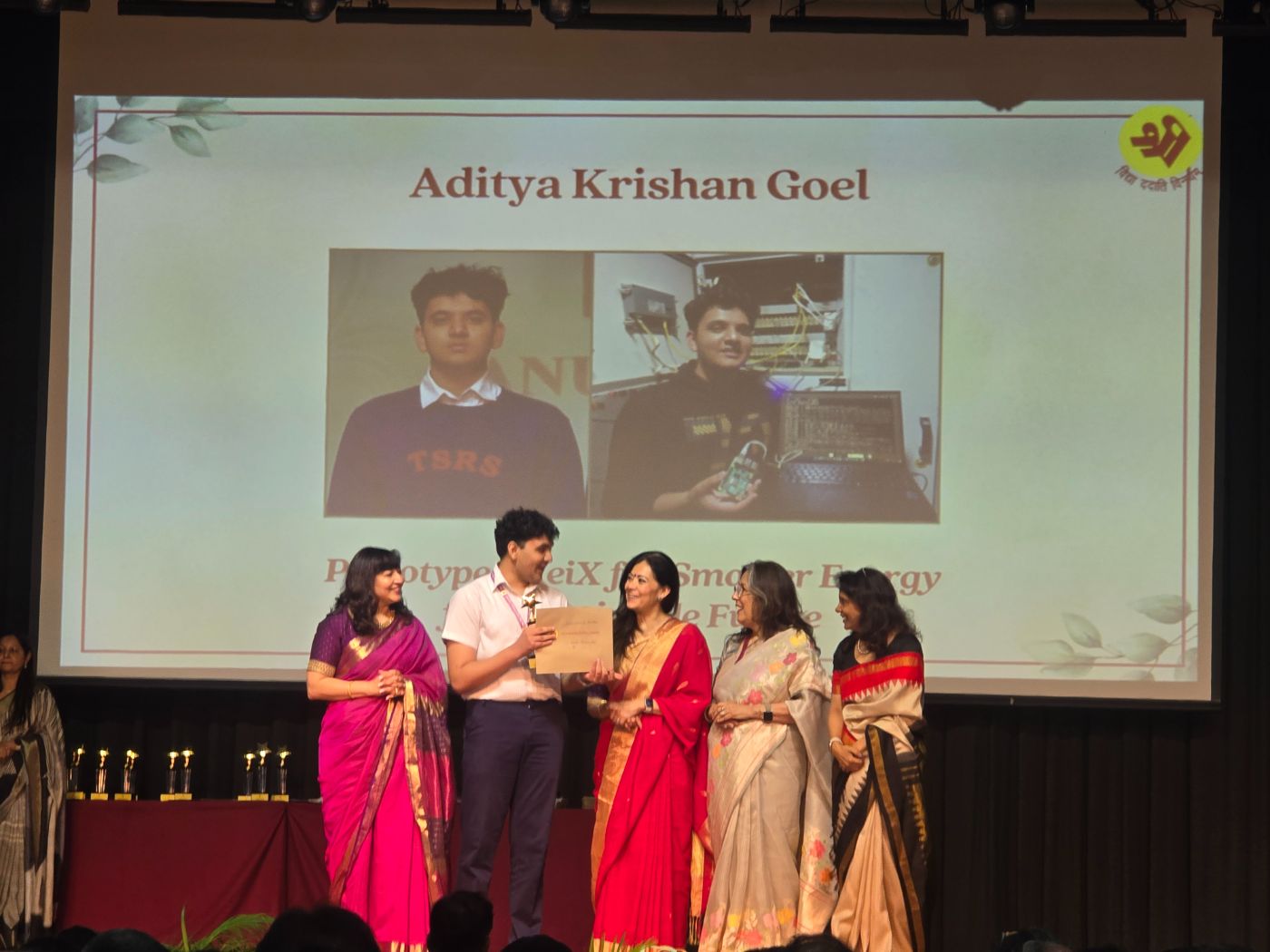
With the school’s electricians I installed and networked six industrial energy meters across my school, and built these dashboards for demand, solar generation and air-conditioning load.
+ LIVE VIEW NOT LOADING? SEE A SNAPSHOT (4 SEP 2026)
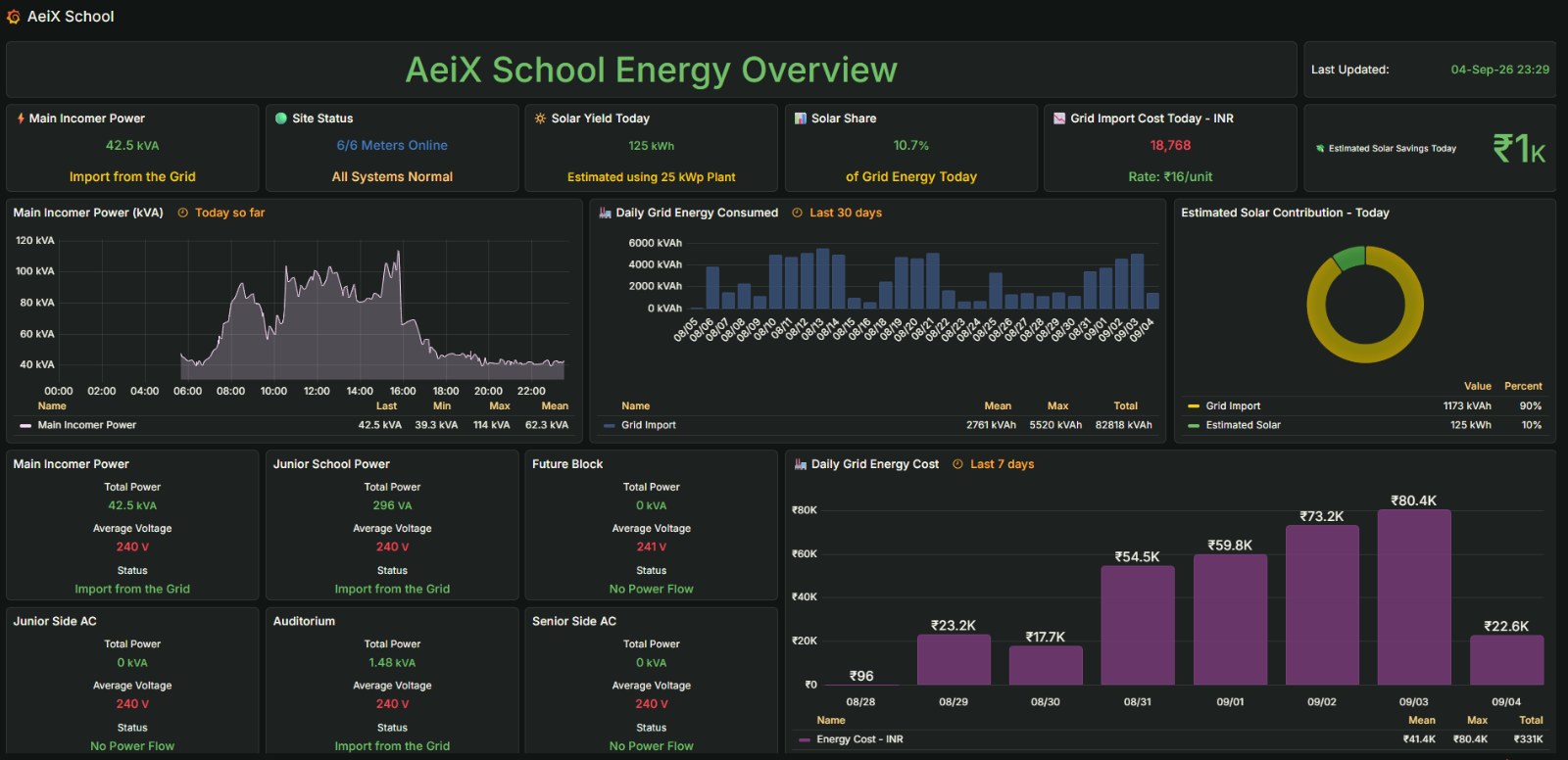
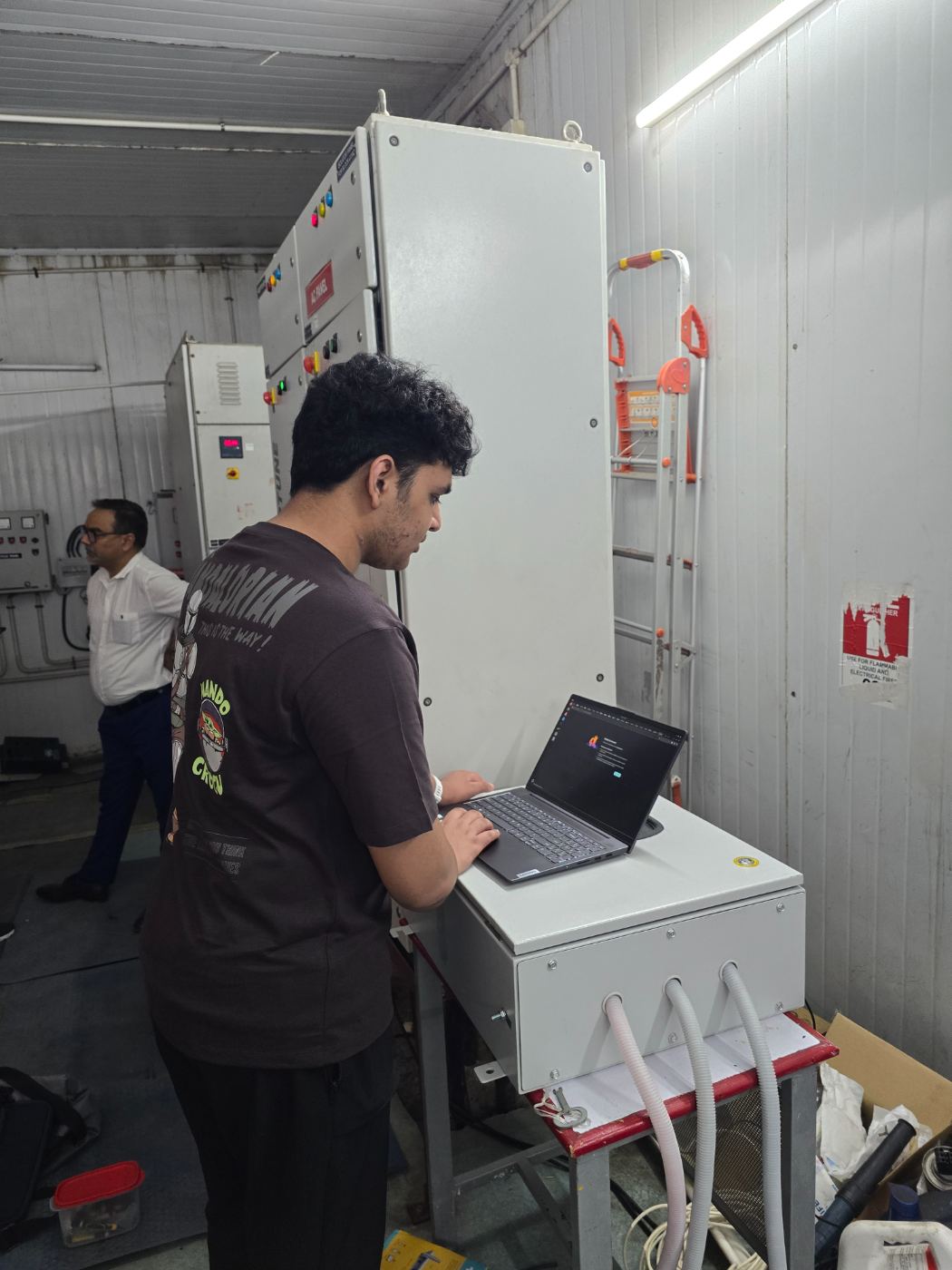
My school appeared to export electricity.
The dashboard showed negative power. I traced it to reversed CT polarity and fixed it. The corrected data exposed junior-school ACs running overnight.
A contract-demand review, now with the utility.
I presented the 1,058 kW vs 1,500 kW review to the school; it is under discussion with the electricity utility. I trained two junior students to run the system, and the school has asked for plans for two more campuses.
CH1 Projects
Before the campus:
a factory floor.
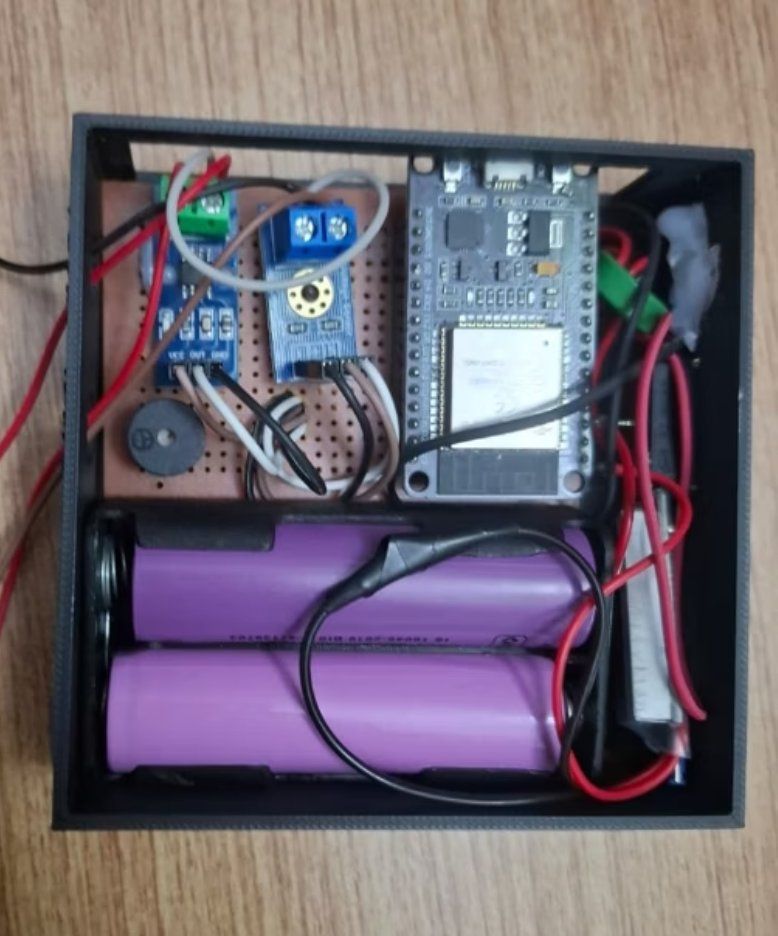
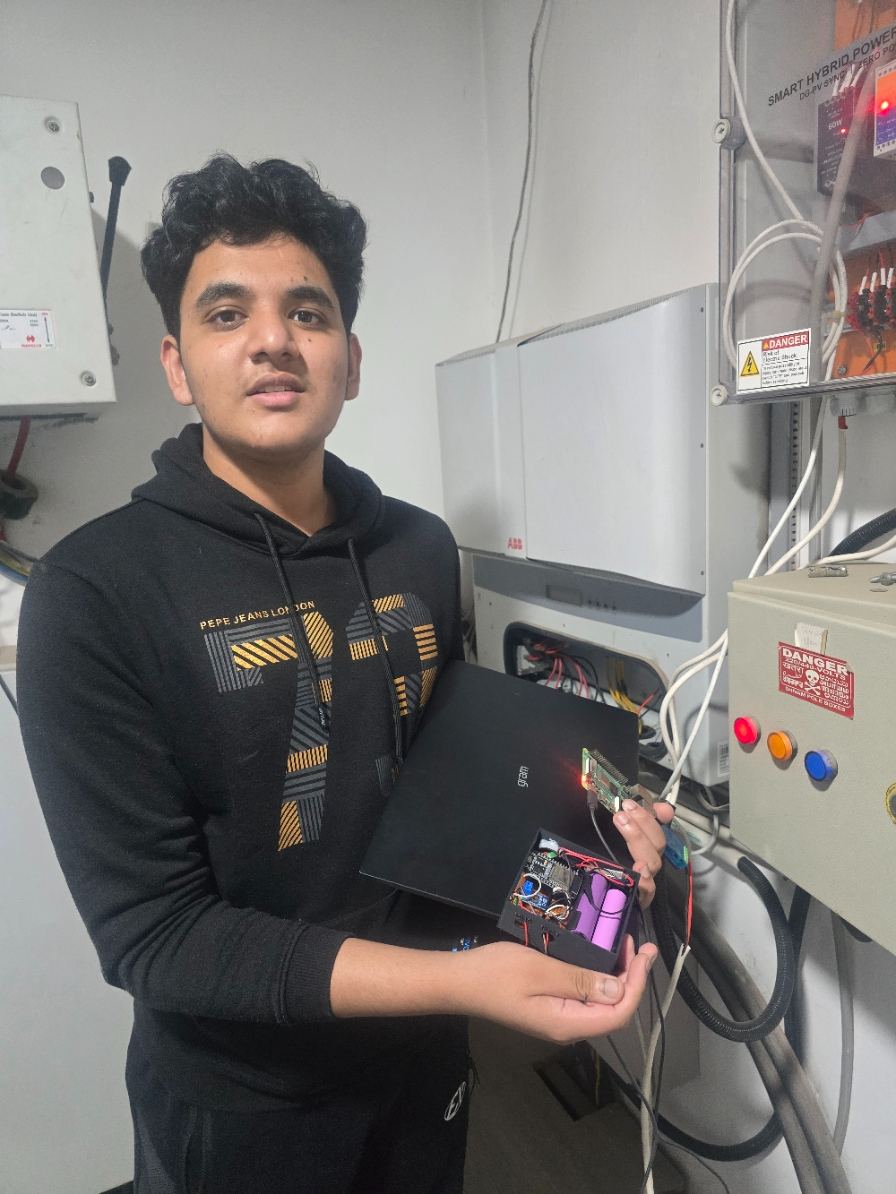
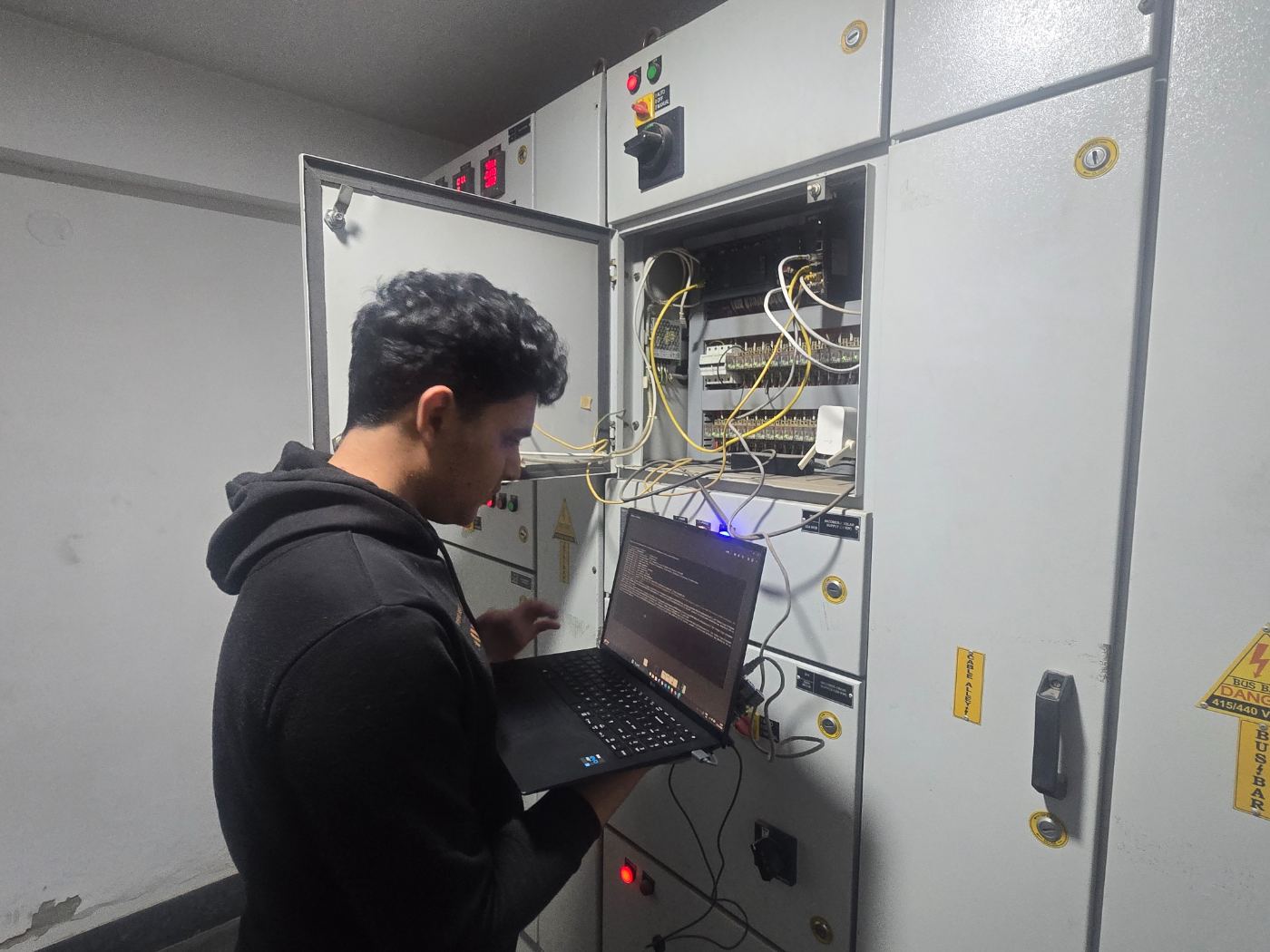
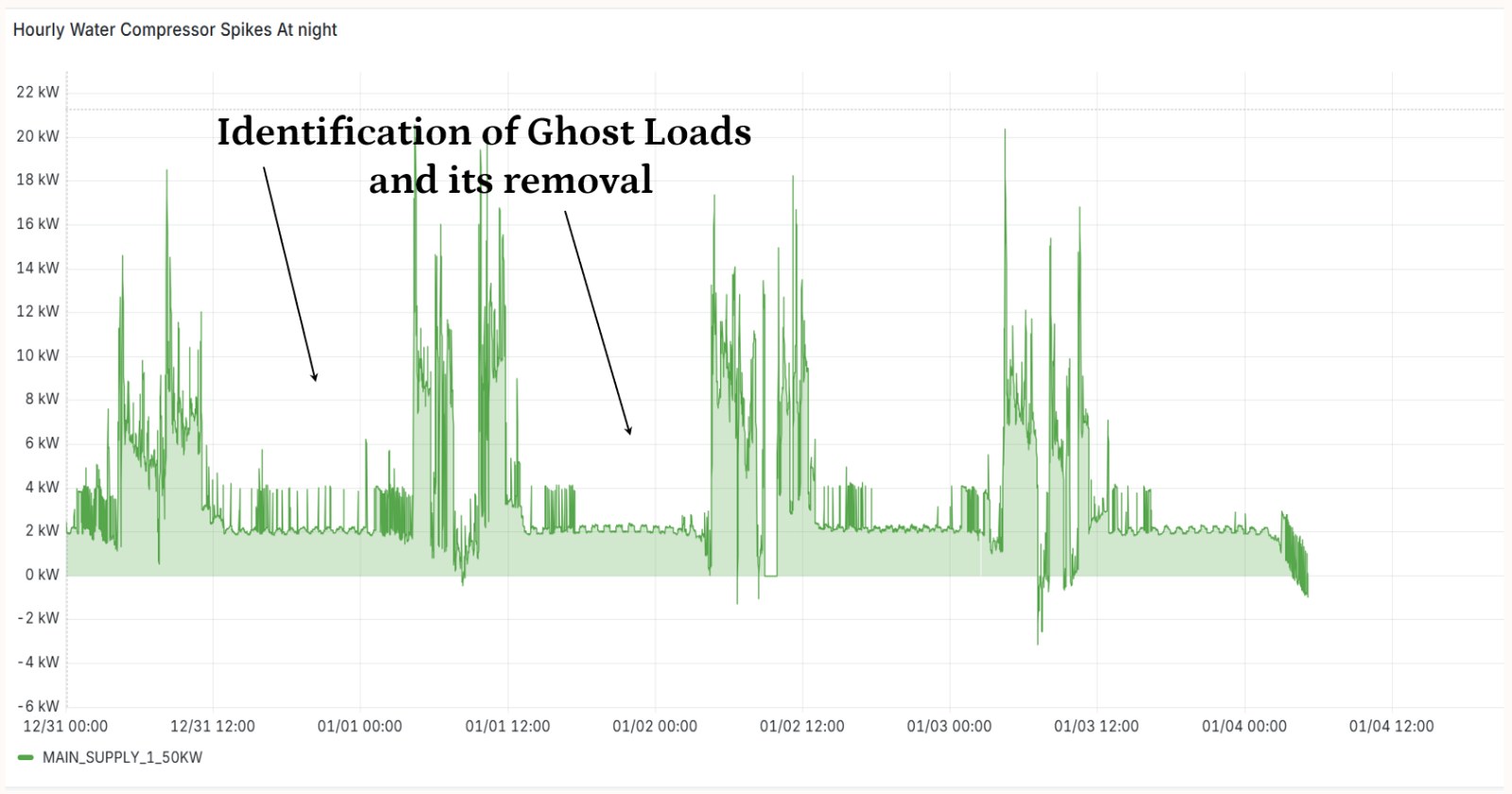
I surveyed 21 SMEs and found none had dedicated energy monitoring. So I built a low-cost platform from meter to dashboard and piloted it across 22 meters at Sakkatech LLP.
+ TECHNICAL DETAIL · STACK AND PAPER
Industrial meters and CTs over RS-485 Modbus, read by an edge Linux device, published over MQTT (Mosquitto), stored in InfluxDB via Telegraf and shown in Grafana: live demand, consumption and estimated carbon.
The 14-day pilot (~240,000 readings) is a sole-author paper at the 2026 IEOM North American Conference, University of Wisconsin–Milwaukee. DOI 10.46254/NA11.20260206 ↗
The drawing
missed the tug.
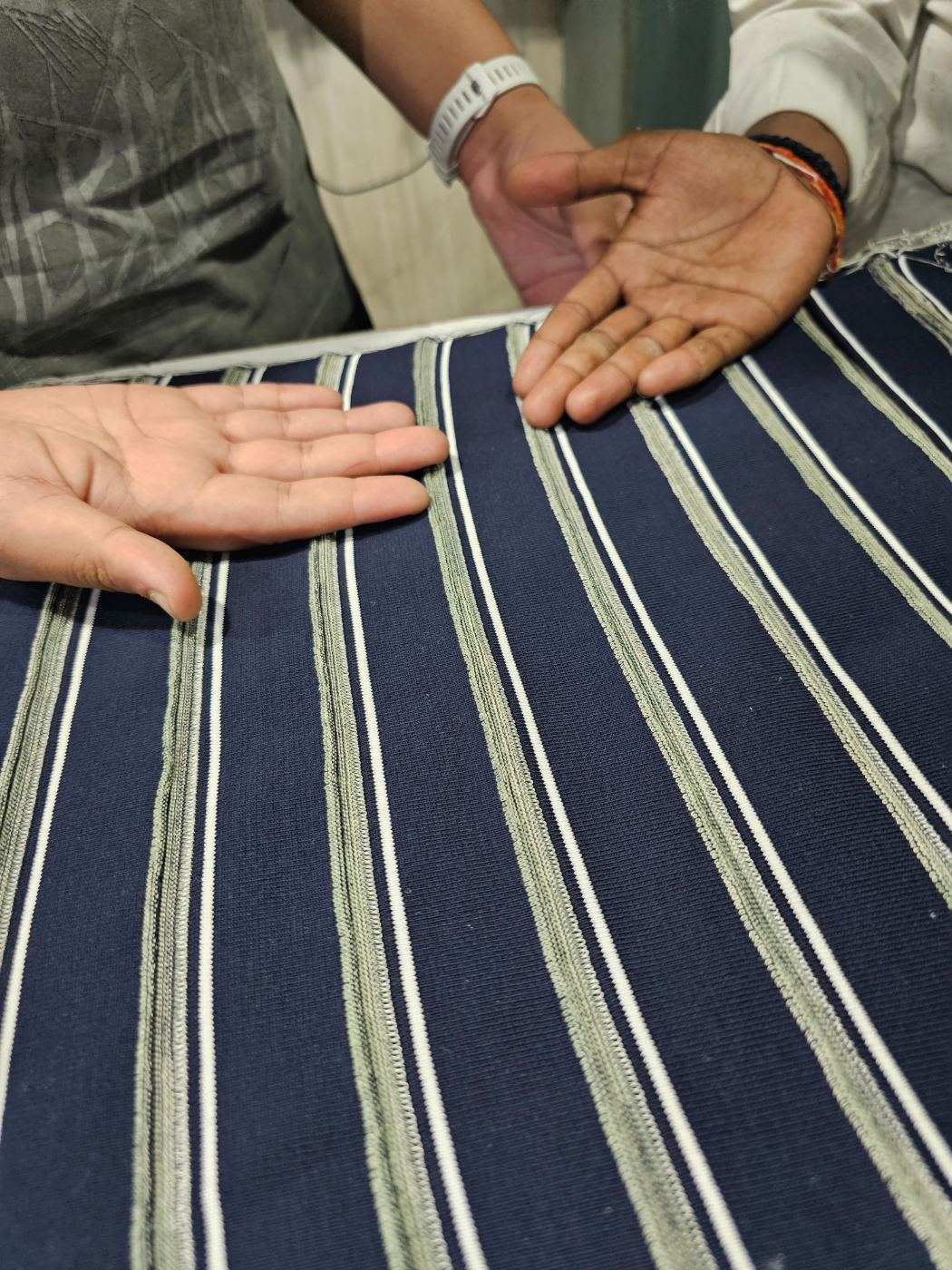
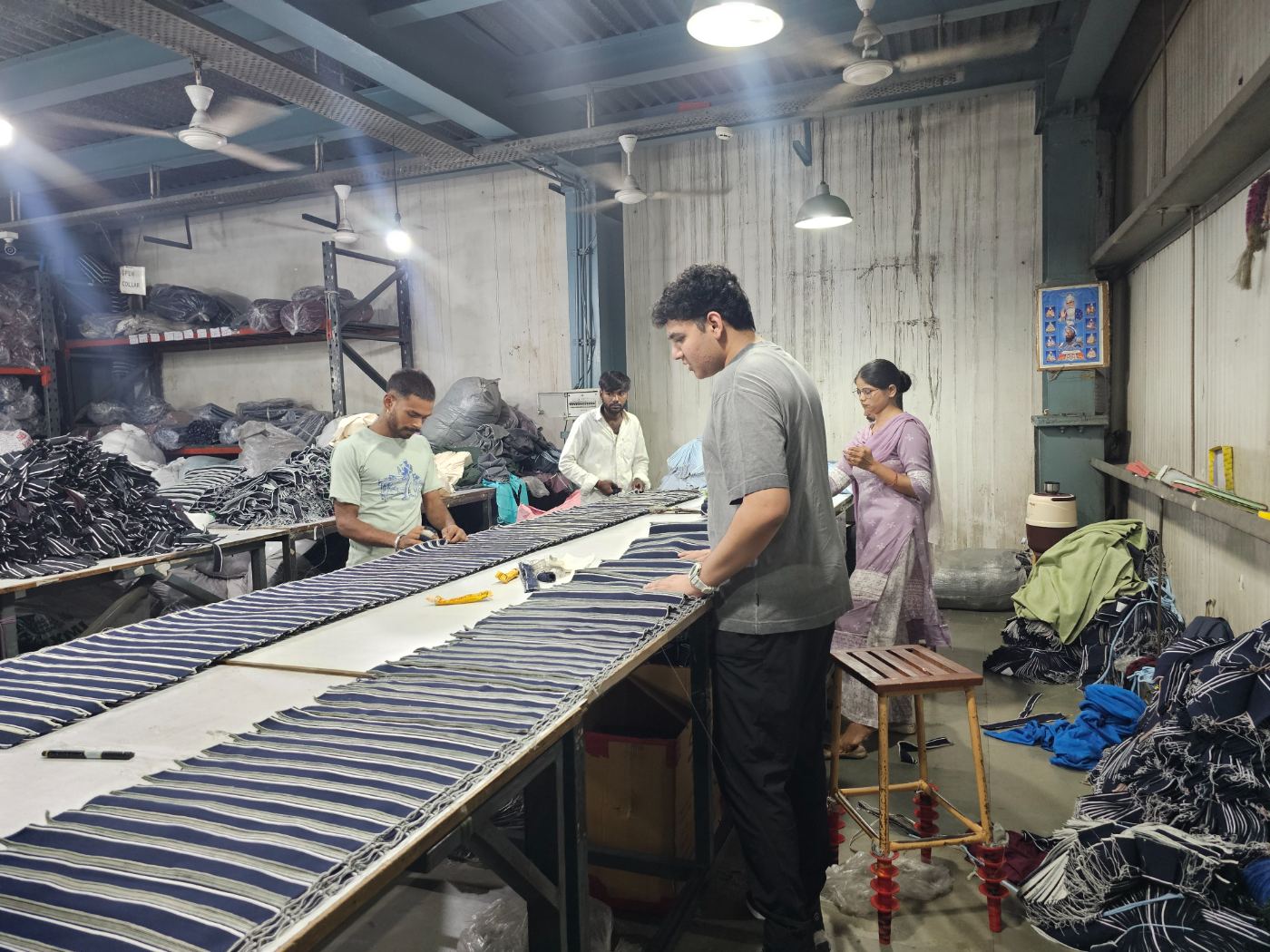
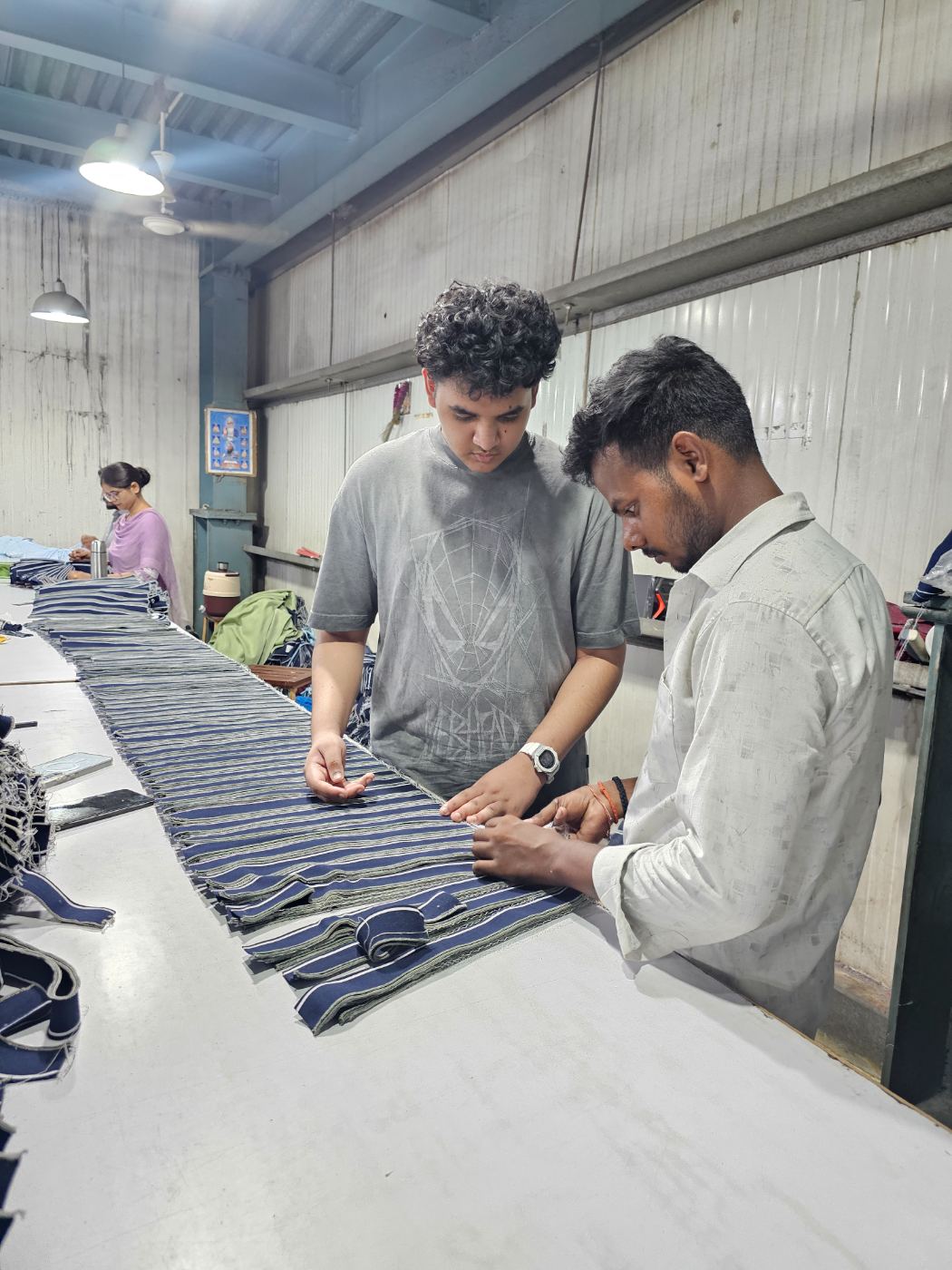
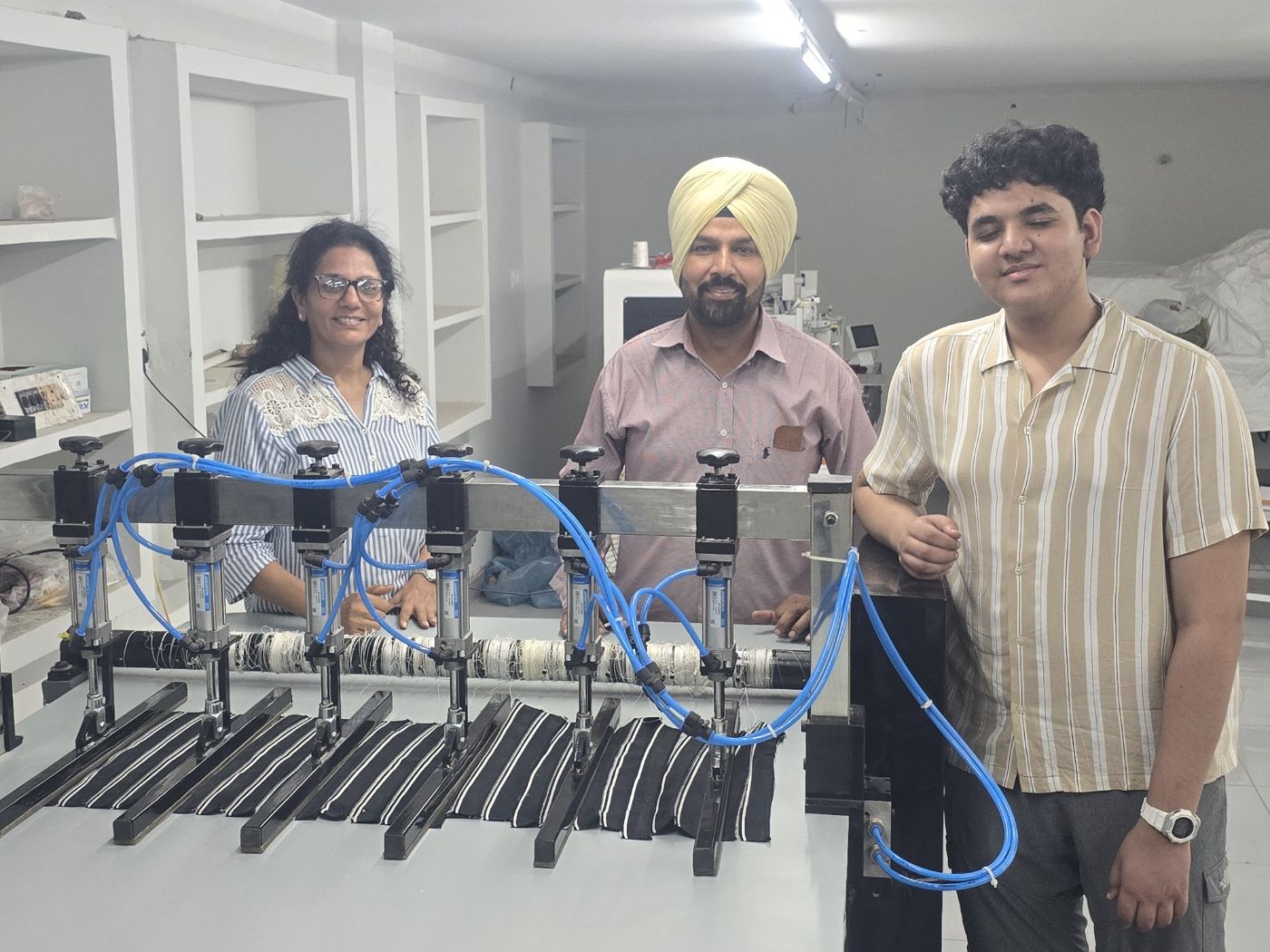
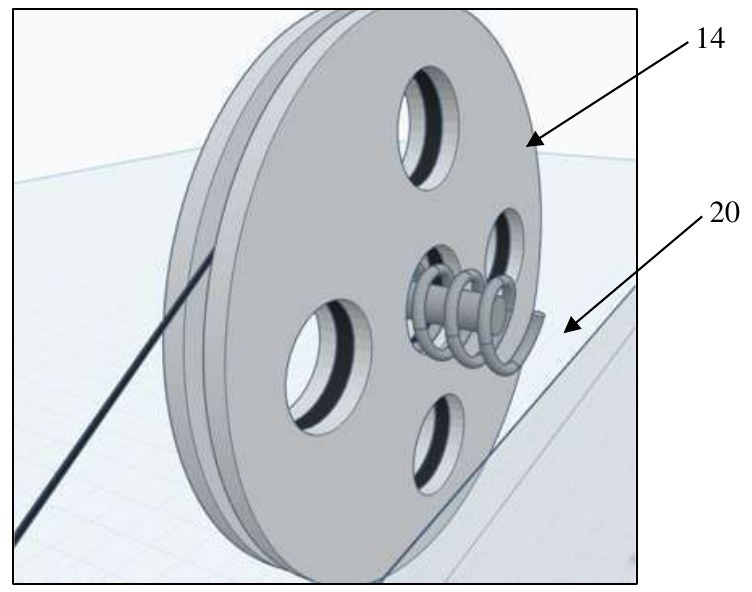
During a Class 10 internship I watched workers free stuck threads by hand, over and over. My first prototype pulled; they tugged. That motion became a spring.
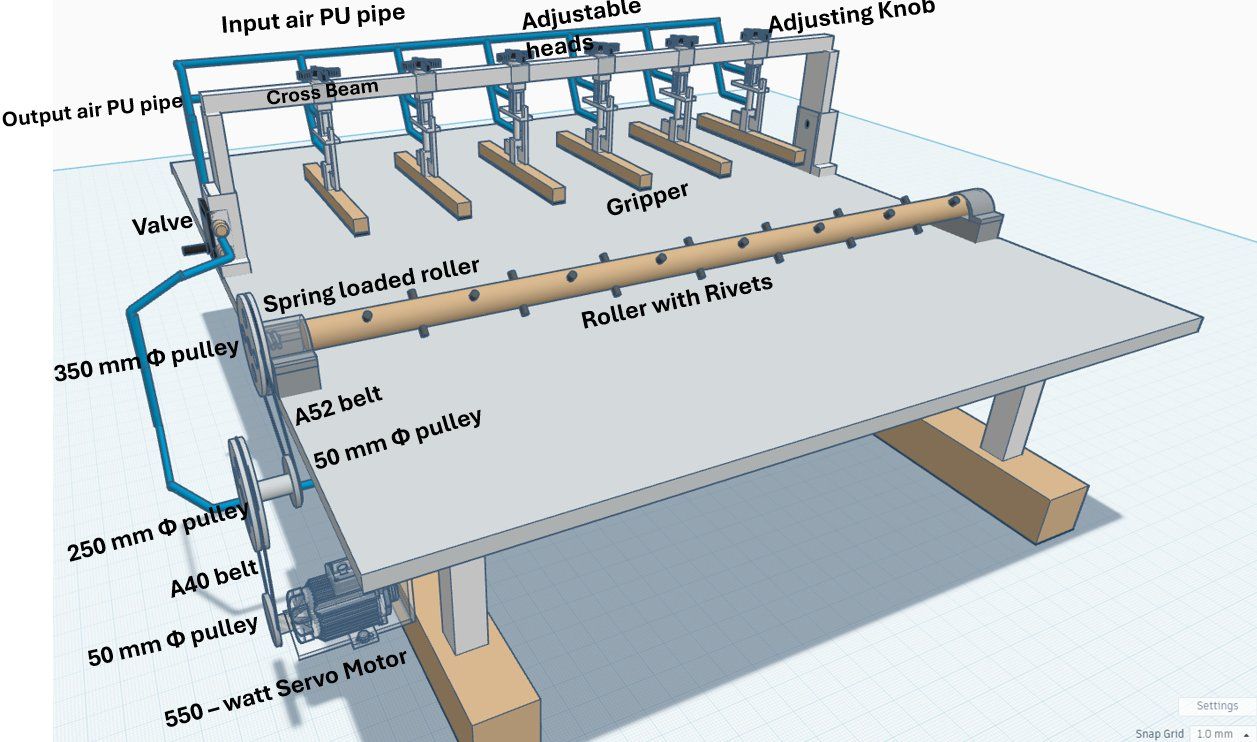
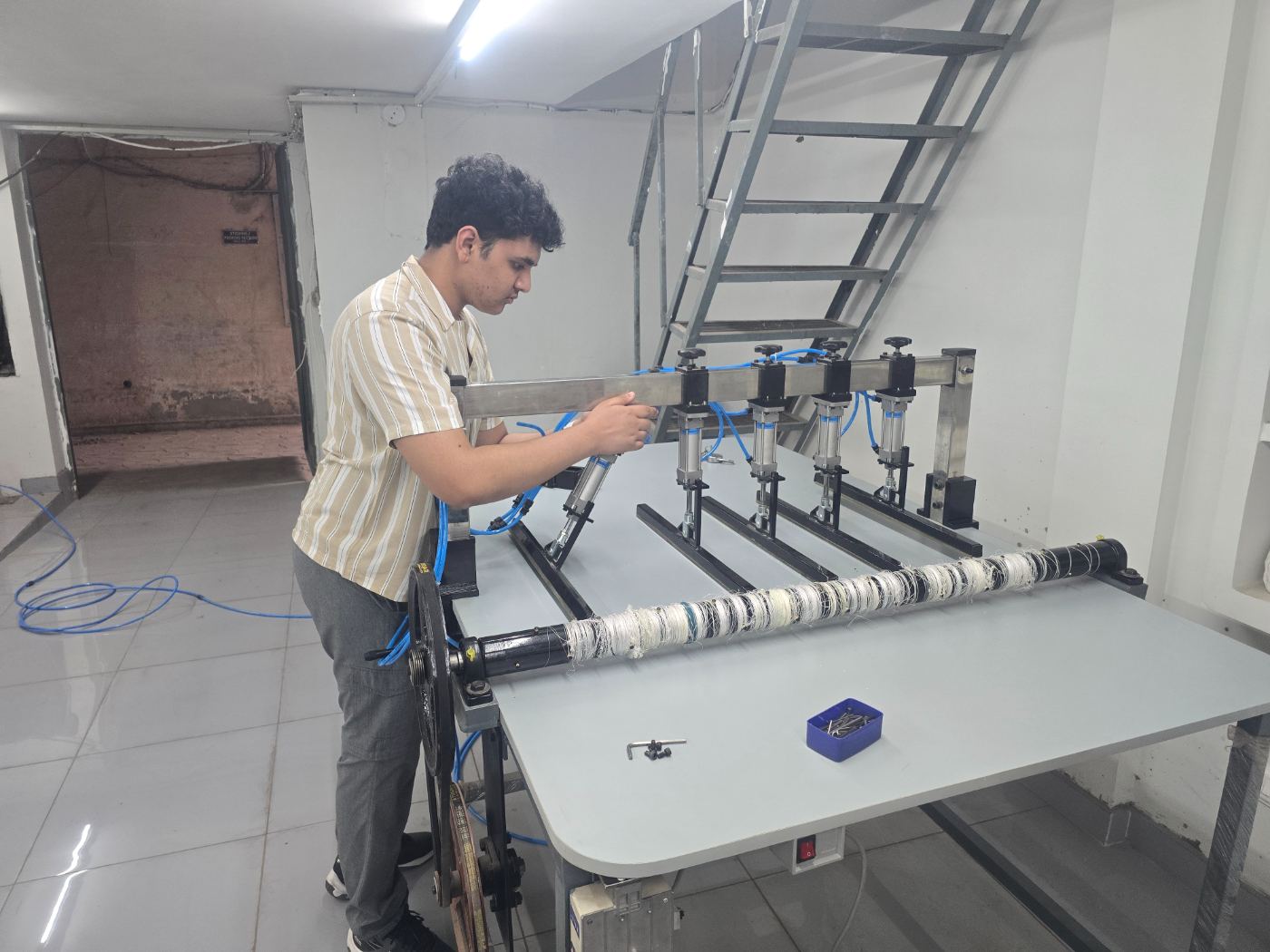
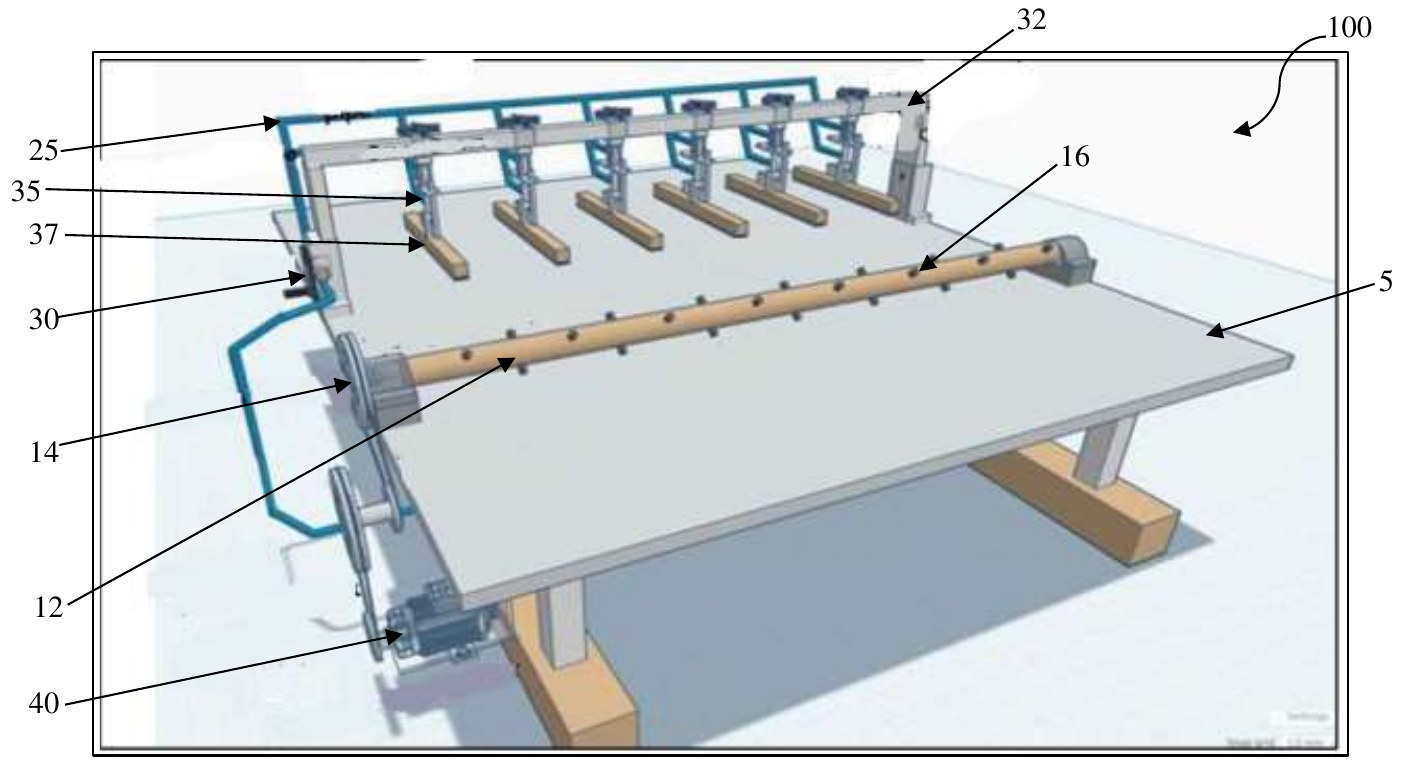
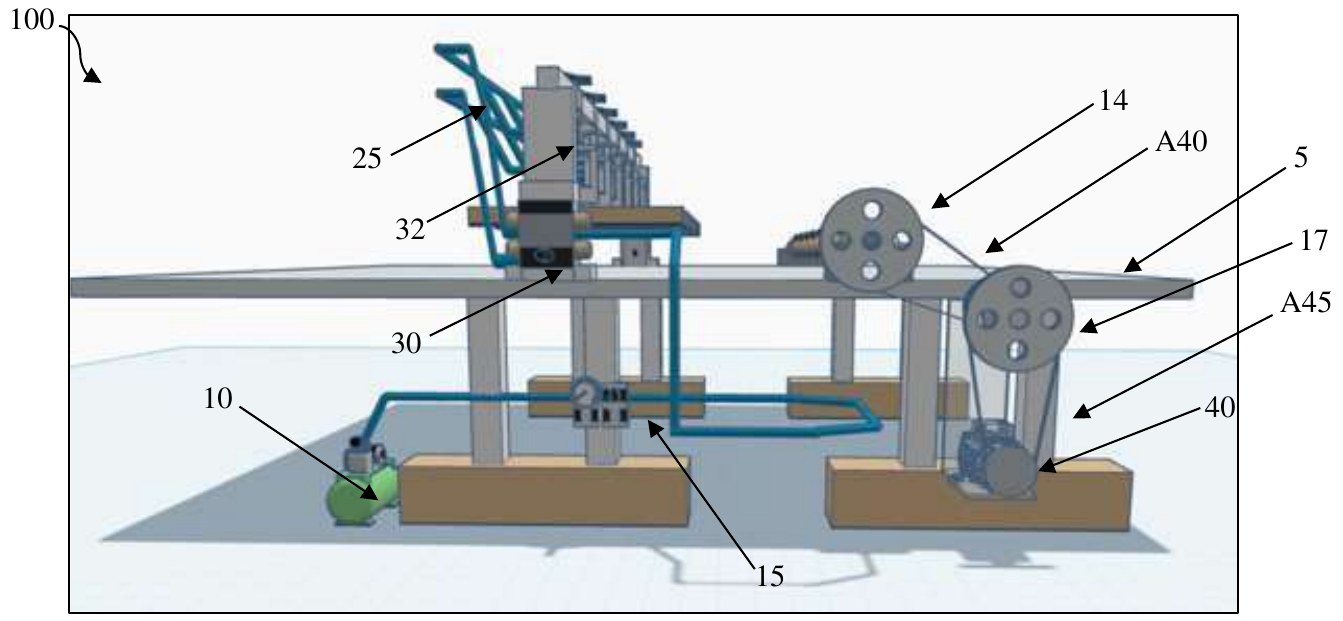
+ PATENT DRAWINGS · FIGURES FROM THE FILED APPLICATION
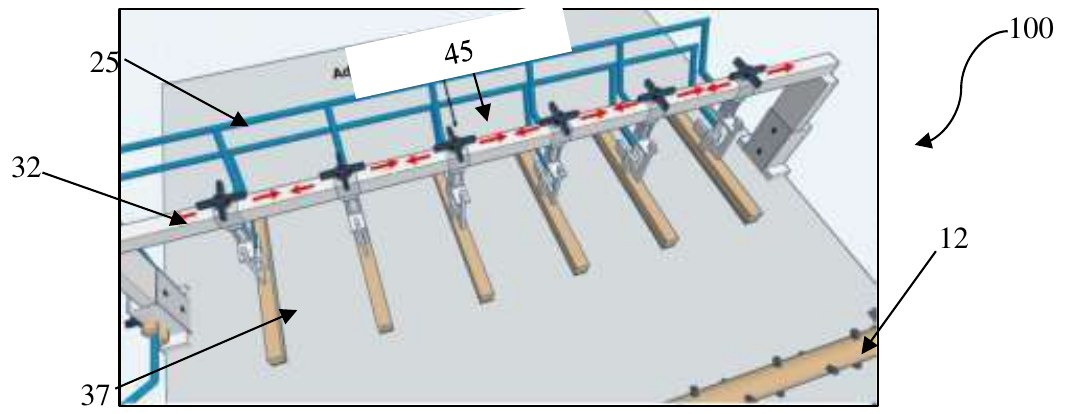
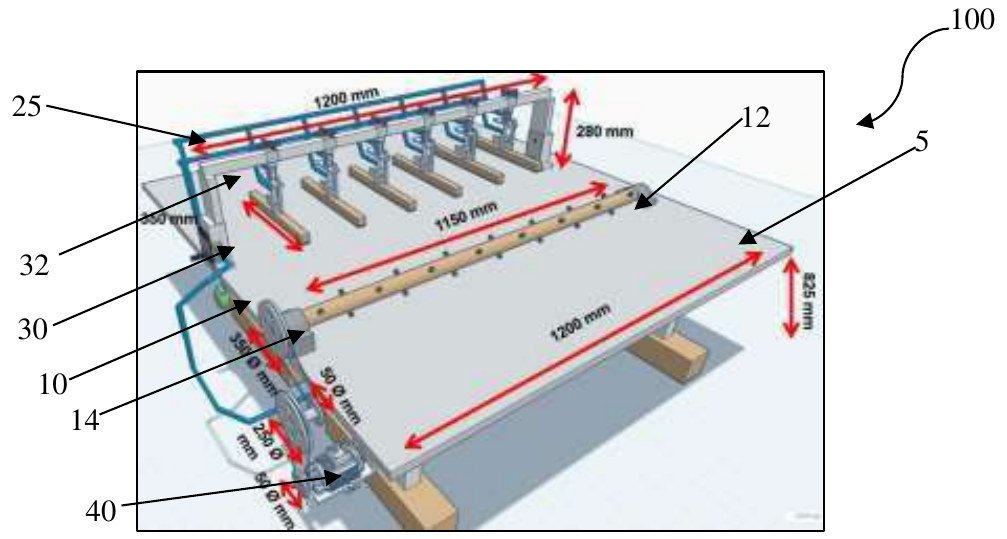
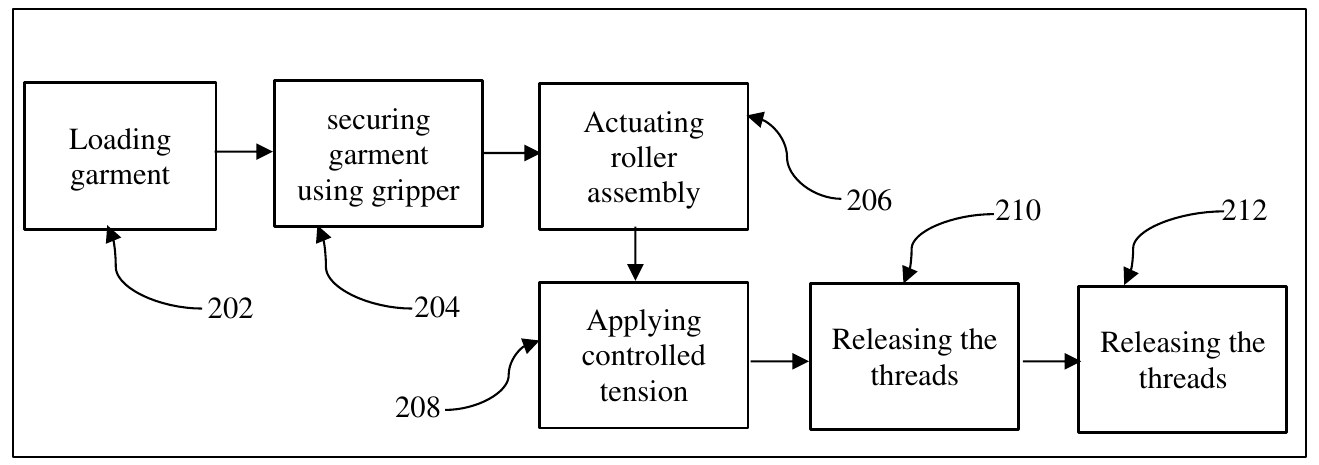
+ MY ROLE, CREDIT AND PATENT STATUS
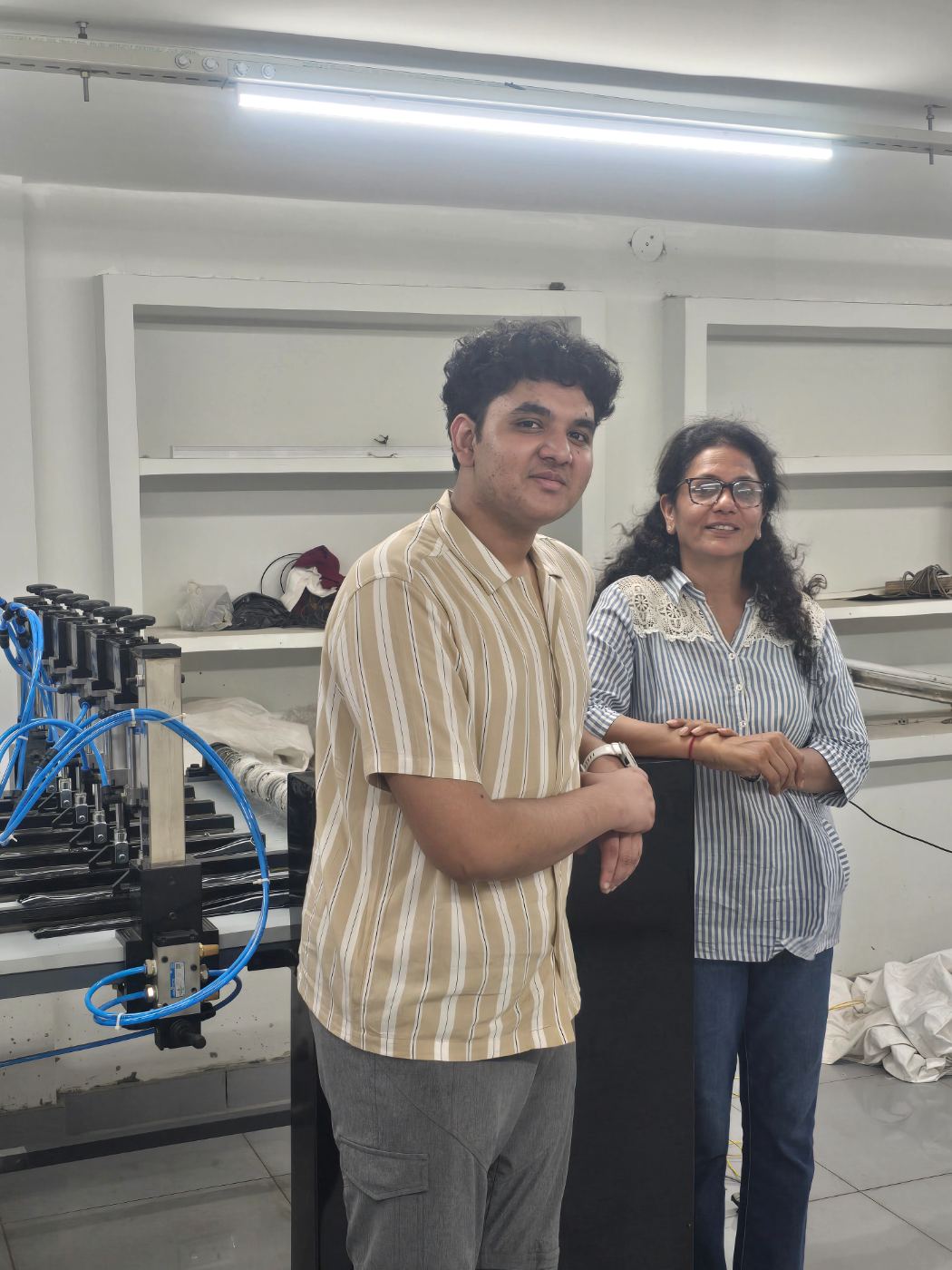
I developed the CAD designs and worked with factory technicians to refine and prototype the spring-loaded tug-and-pull mechanism. Co-inventor: Namrta Singhania.
Indian Patent No. 606453 (application 202511017487, filed 27 Feb 2025, published April 2026, granted 21 October 2026). The PCT application, PCT/IB2026/052964, is still pending (publication pending). I contributed to the examination response, consolidating 38 claims into 29.
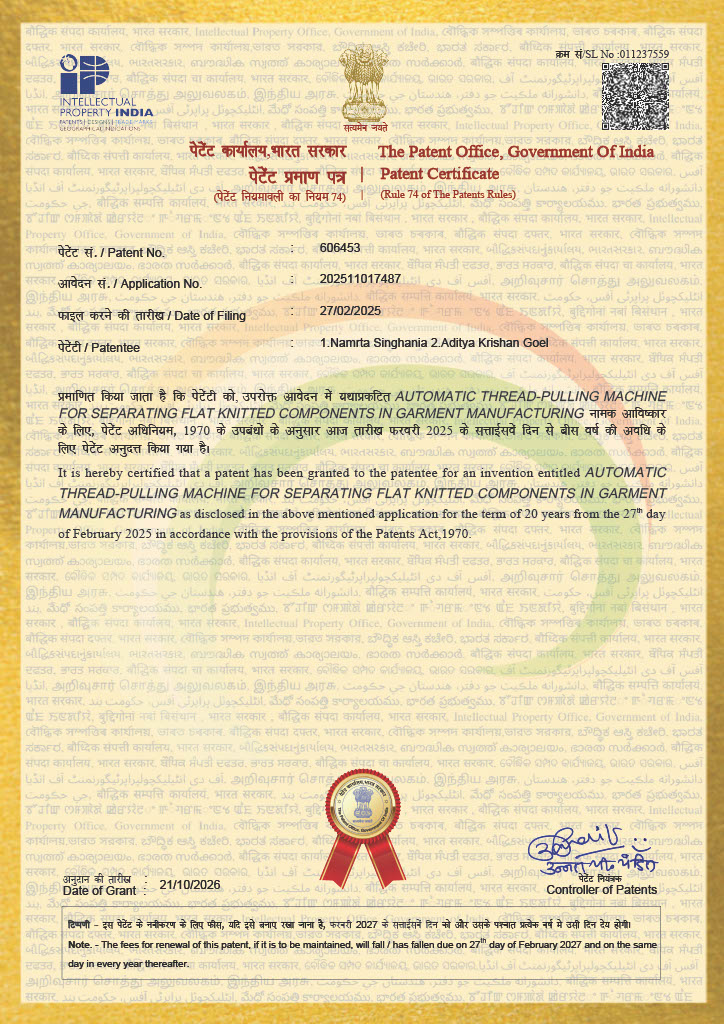
APPLICATION NO. 202511017487
FILED 27 FEB 2025 · GRANTED 21 OCT 2026
PATENTEES: NAMRTA SINGHANIA, ADITYA KRISHAN GOEL
Three summers
on factory floors.
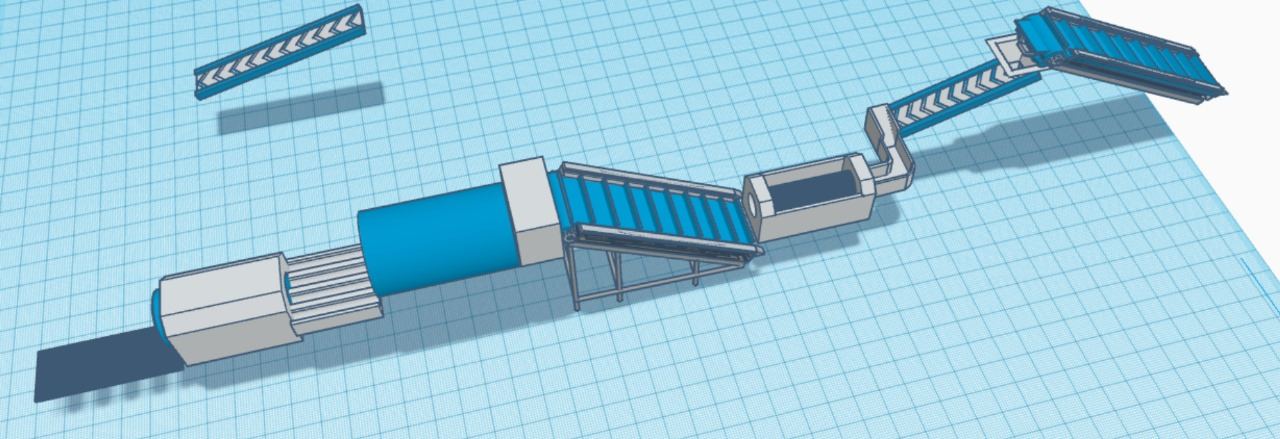
Vandna Solvex, Kotkapura
Modelled tomato- and pea-washing conveyors in TinkerCAD and designed a sprayer and reservoir to cut wash-water use, for food processors supplying McDonald’s and Nestlé.
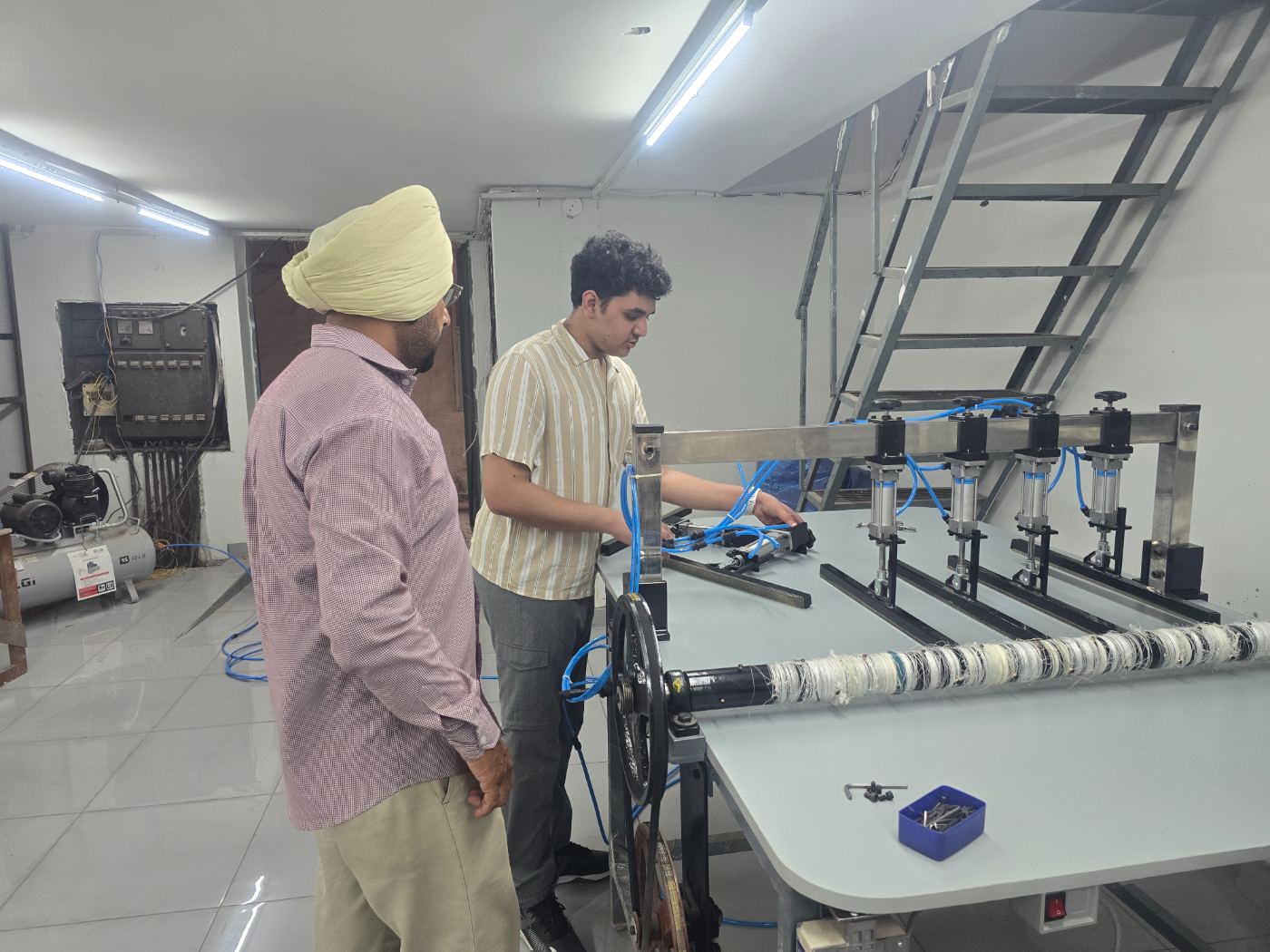
The Prakrit Creations
Watched workers free stuck threads by hand. That observation became the patented thread-pulling machine (IN 606453).
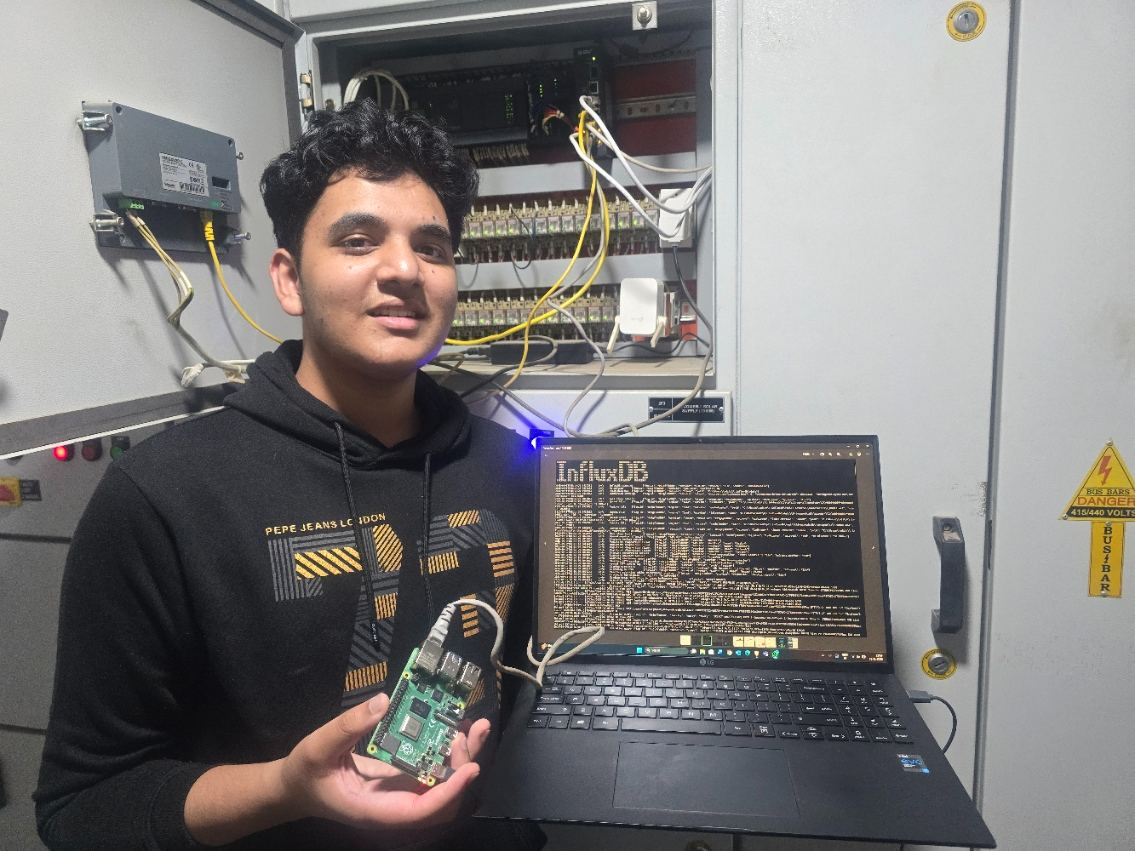
TerraTech FZCO, Dubai
Traced a ~20 s dashboard delay to meter-polling settings and proposed a faster MQTT broker; the team’s changes cut it to ~8 s. Rebuilt the pipeline on a Raspberry Pi — the start of AeiX.
Reefs
and wind.
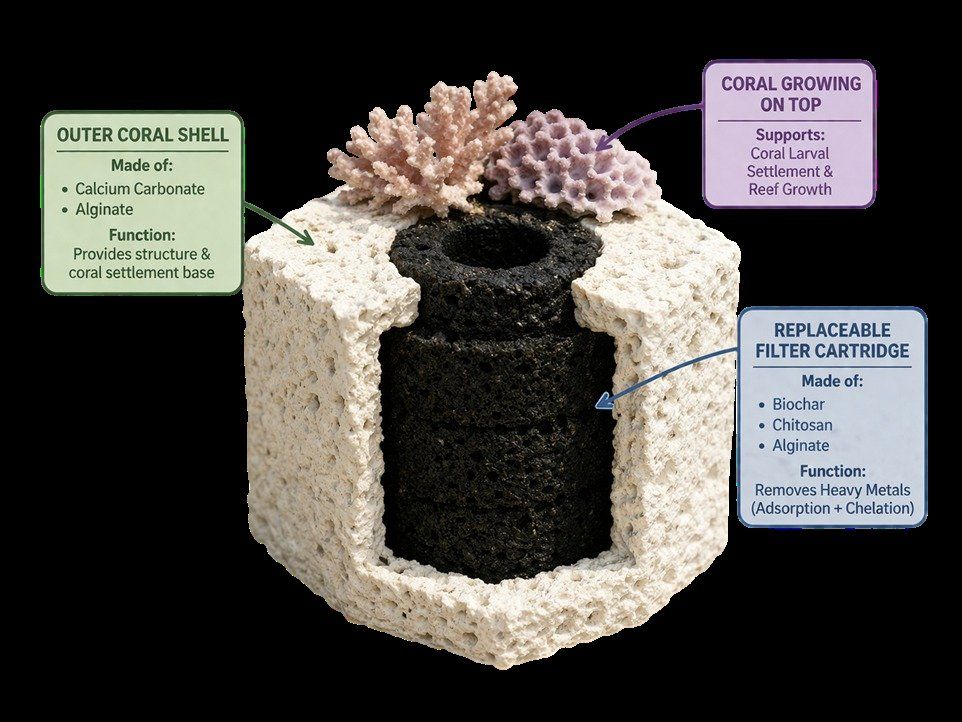
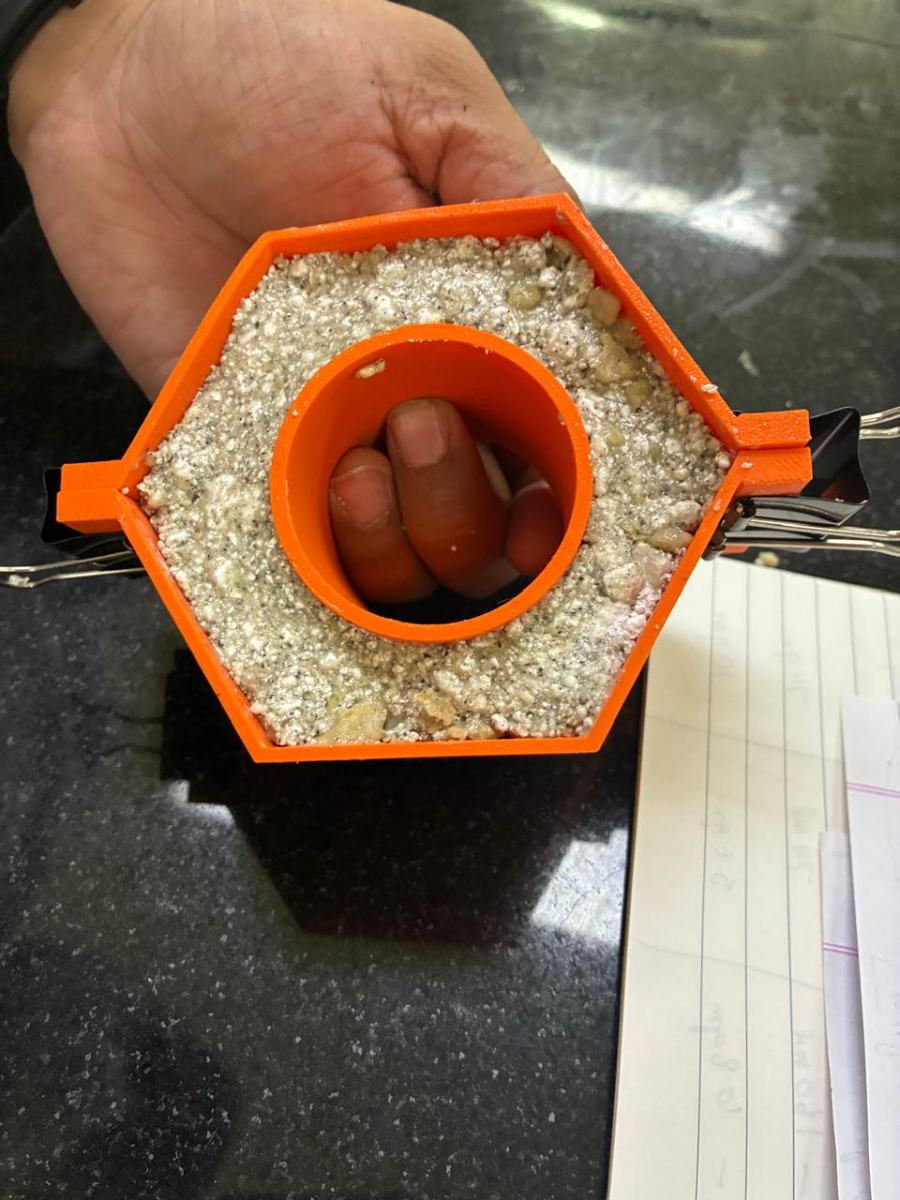
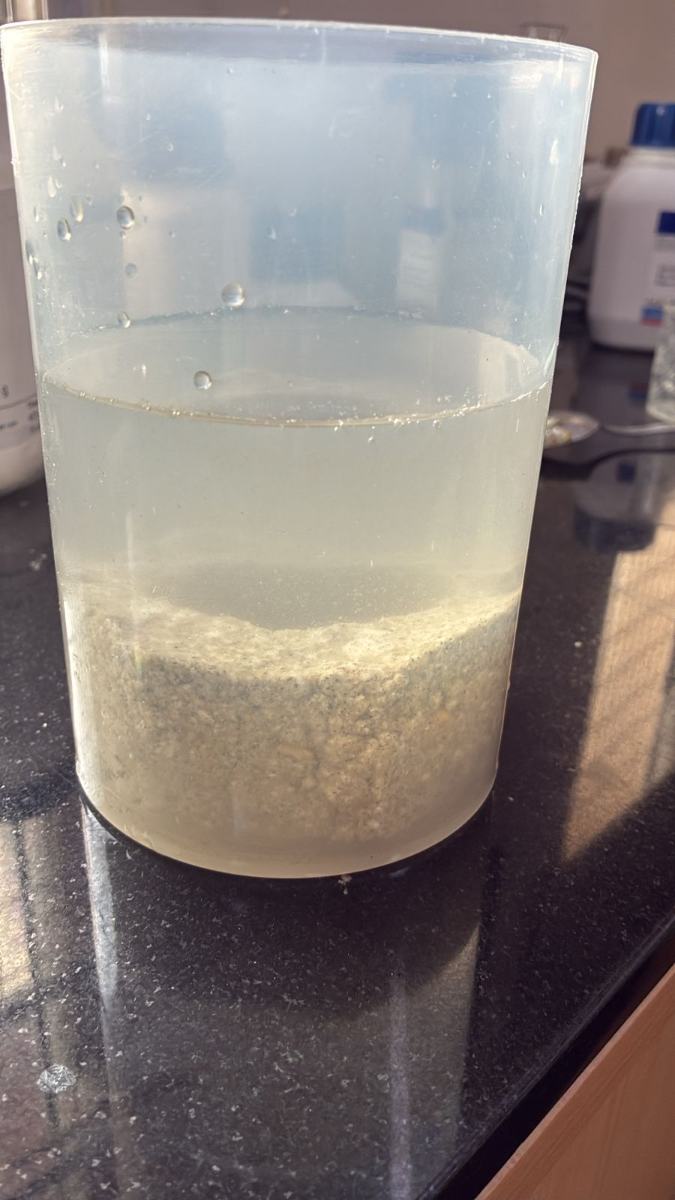
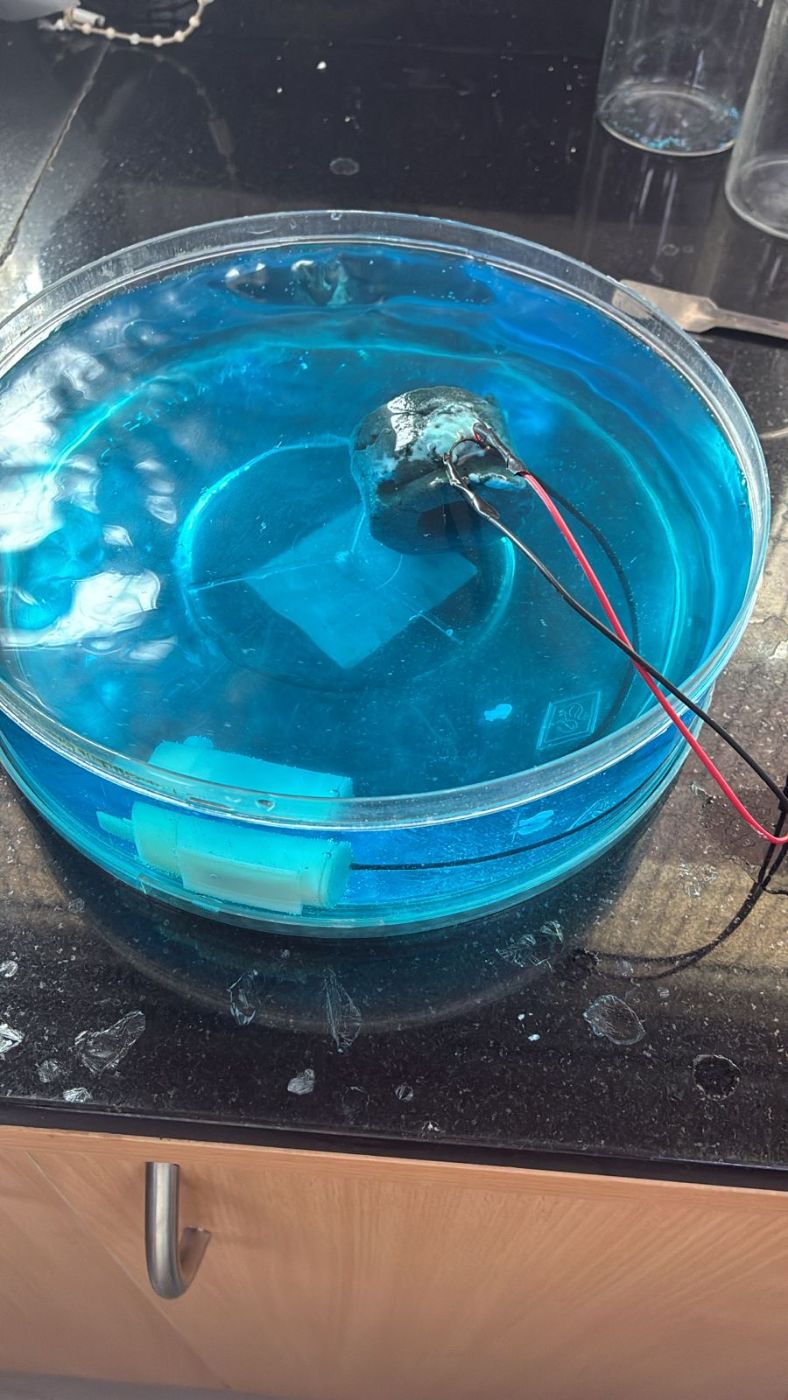
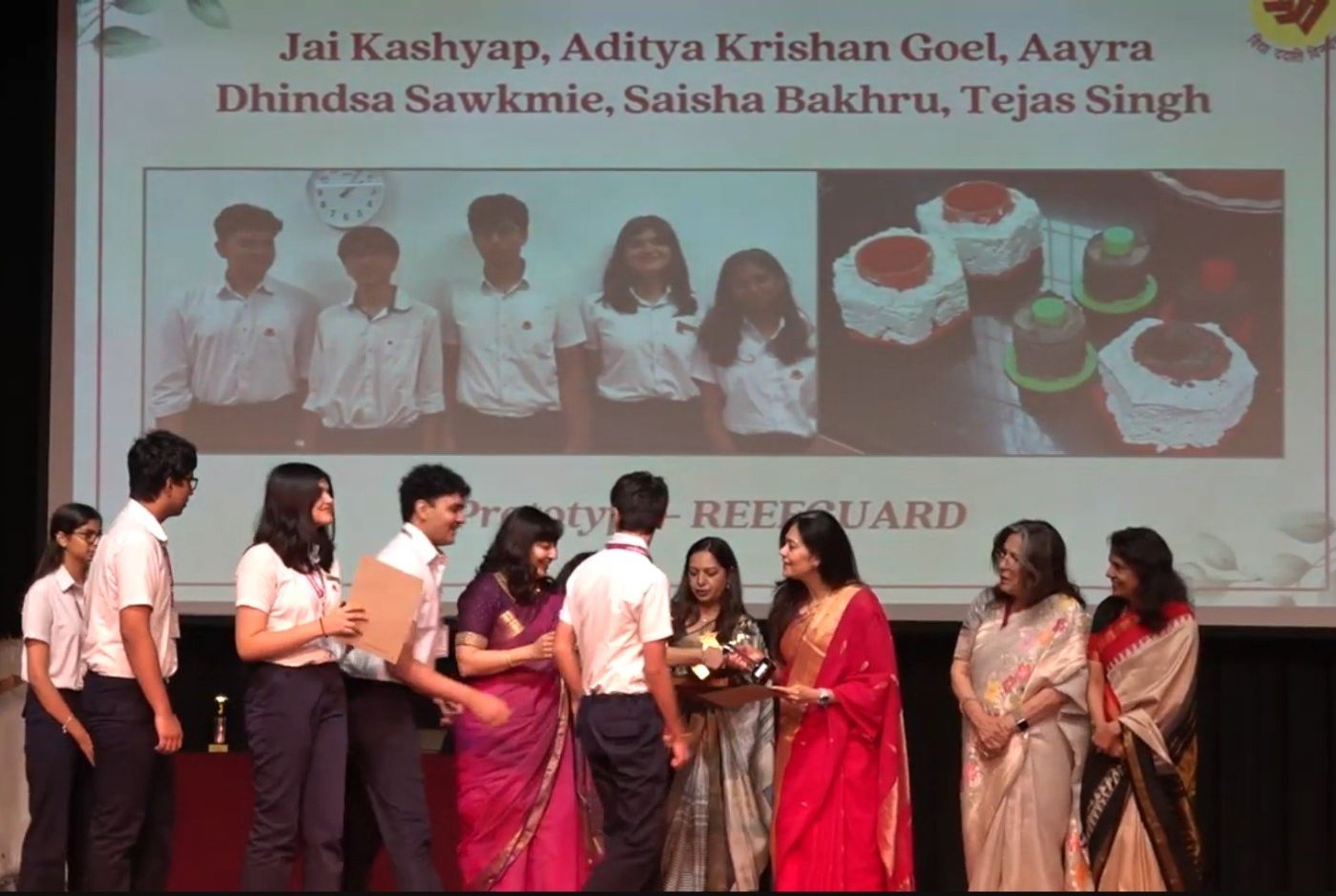
A modular hexagonal reef tile (3 × 1 ft): a chelation filter inside targets copper, zinc and chromium; a porous, nutrient-rich shell outside supports coral regrowth. Built and lab-tested the filter; estimated ~$25 per tile.
3D-printed, with voltage and current sensing on an ESP32 and Raspberry Pi. The readings lagged and dropped out — the problem that pulled me toward real-time monitoring.
CH2 Research
Dim the street.
Keep it safe.
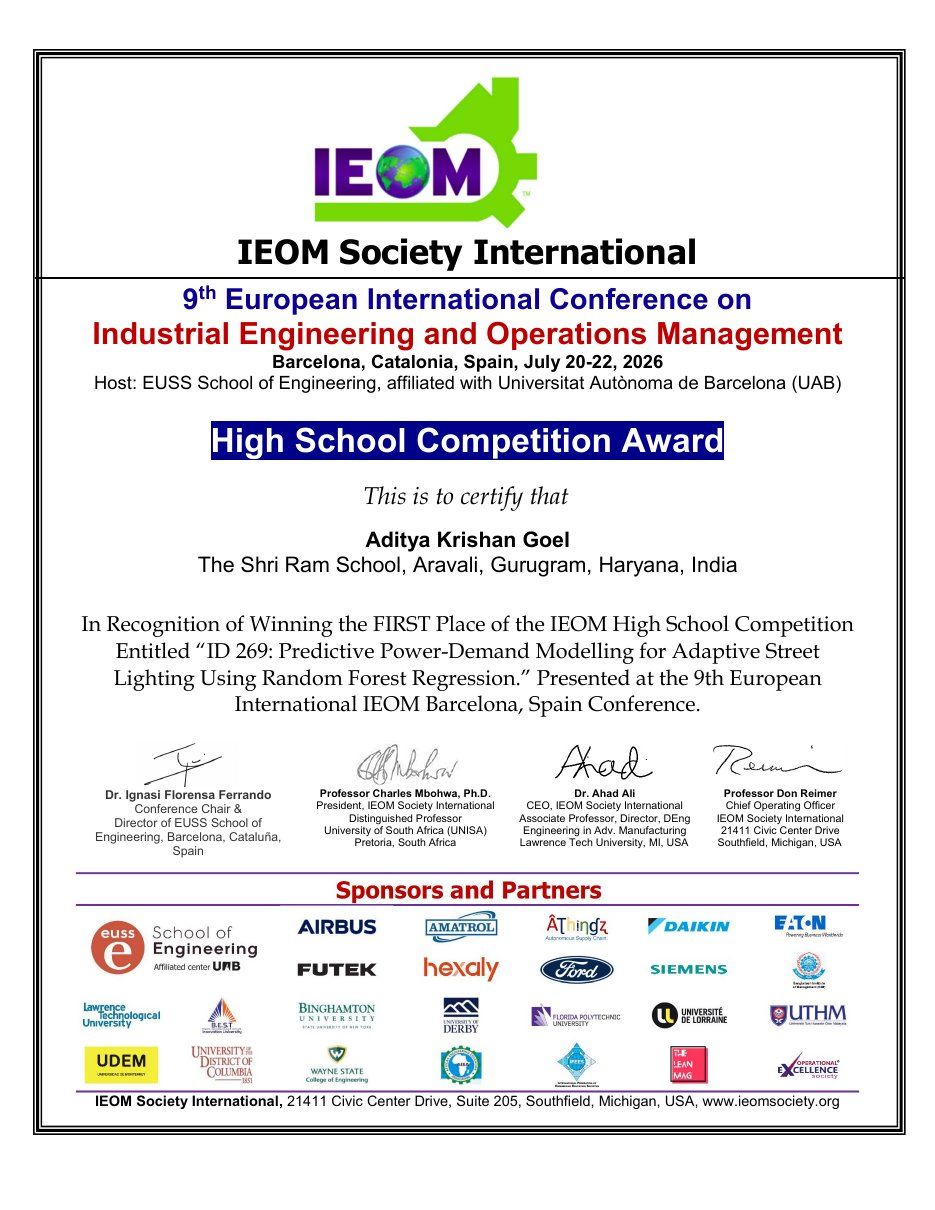
How much could Delhi’s streetlights save if they followed demand, without dropping below road-safety luminance? I modelled it, then simulated a controller on data the model had never seen.
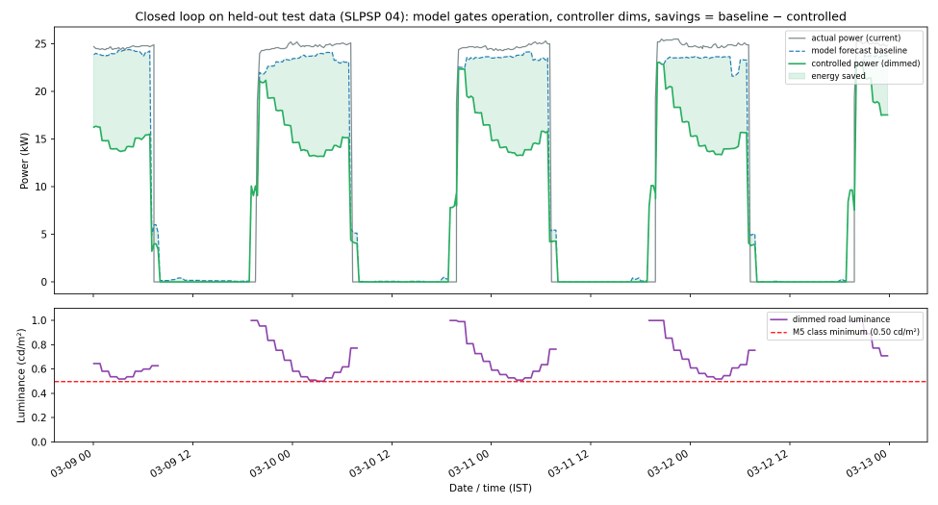
143,800+ fifteen-minute readings from 12 Delhi street-lighting controllers, with weather, live TomTom traffic and time of day.
My first model looked too good. 38 variables were leaking the answer; I found and removed them.
Random Forest regression, tested on a chronological split it had never seen.
A simulated dimming strategy that never drops below EN 13201 M5 road luminance.
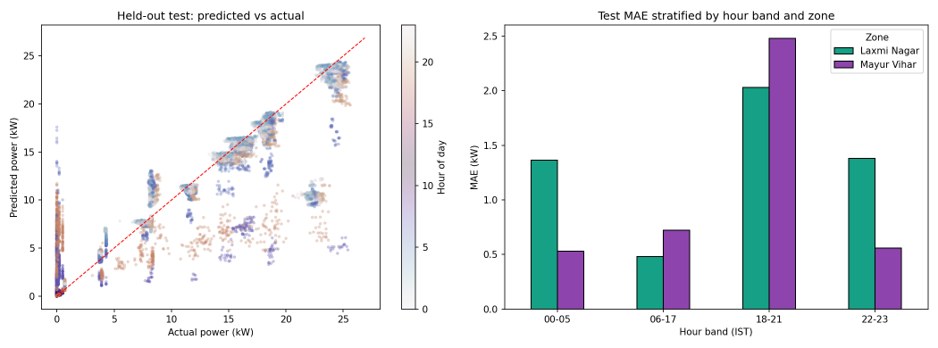
Dusk, 18:00 to 21:00.
Error rises when lights switch on and traffic peaks. Overall test R² is 0.895, but the error is not spread evenly, and a controller has to respect that.
Can a by-product
become feed?
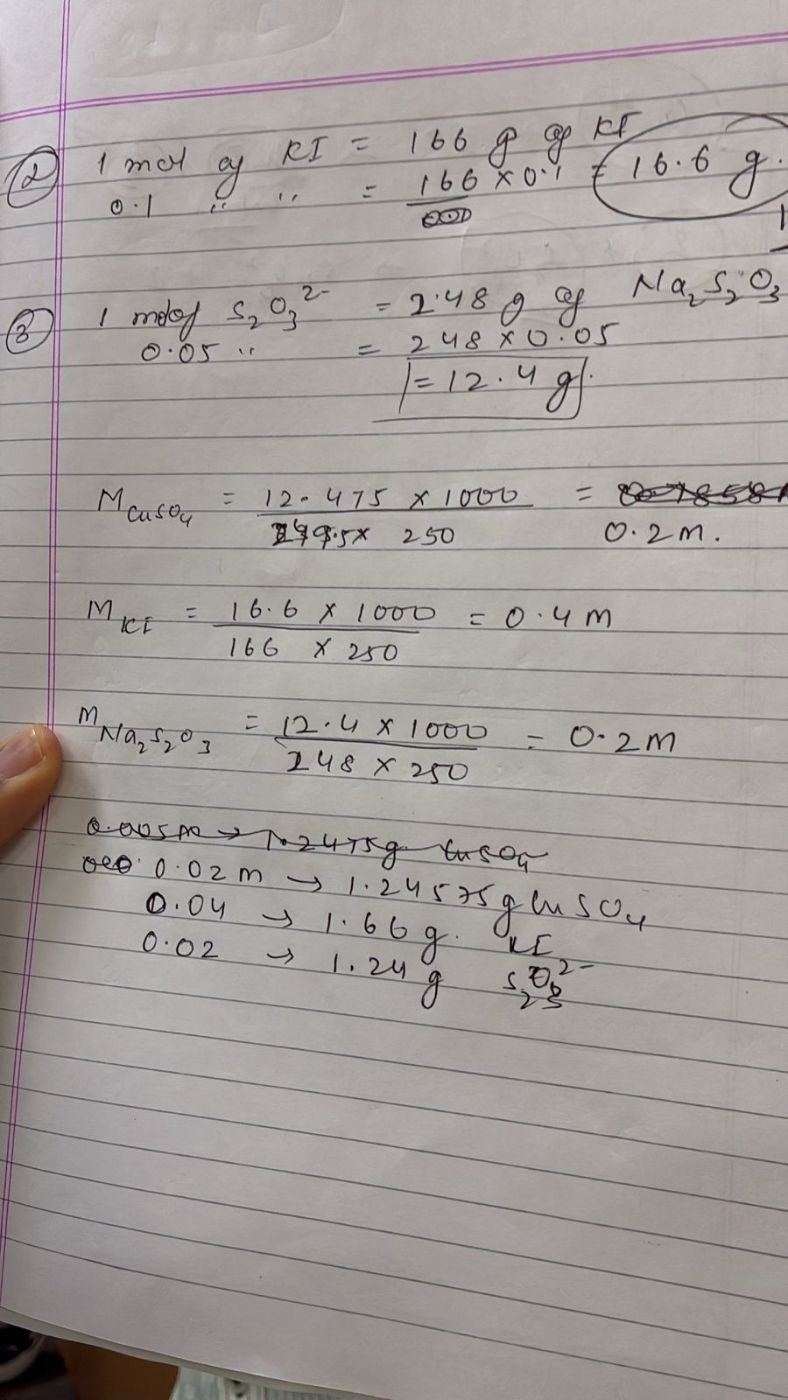
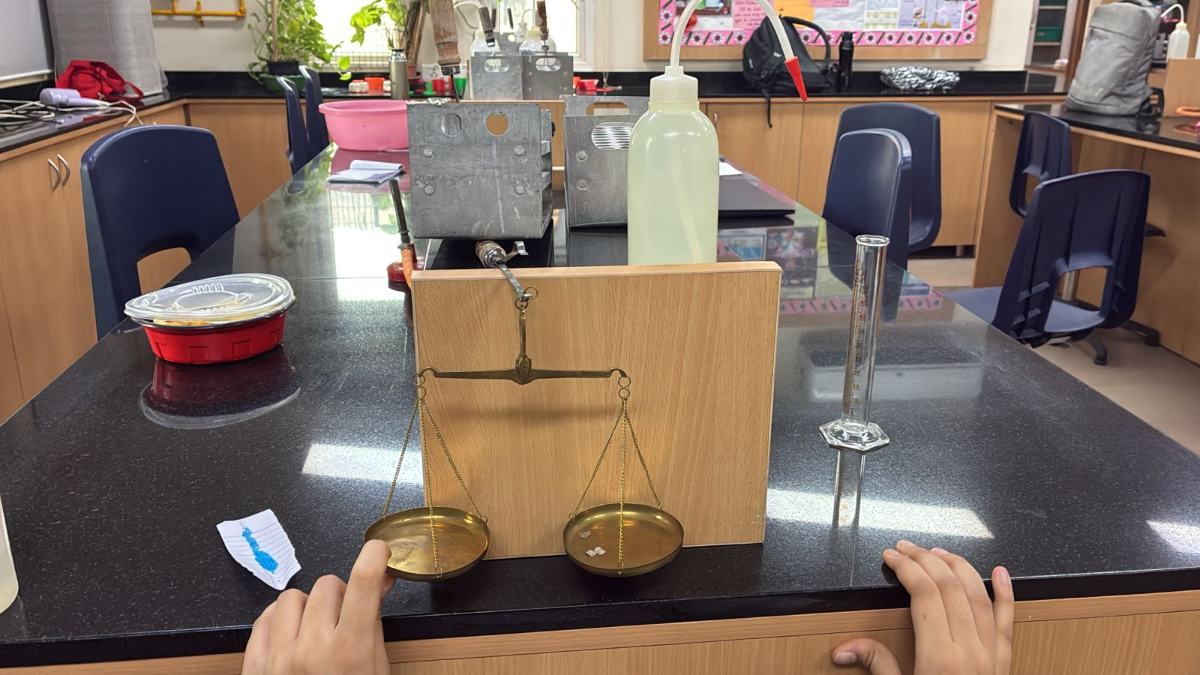
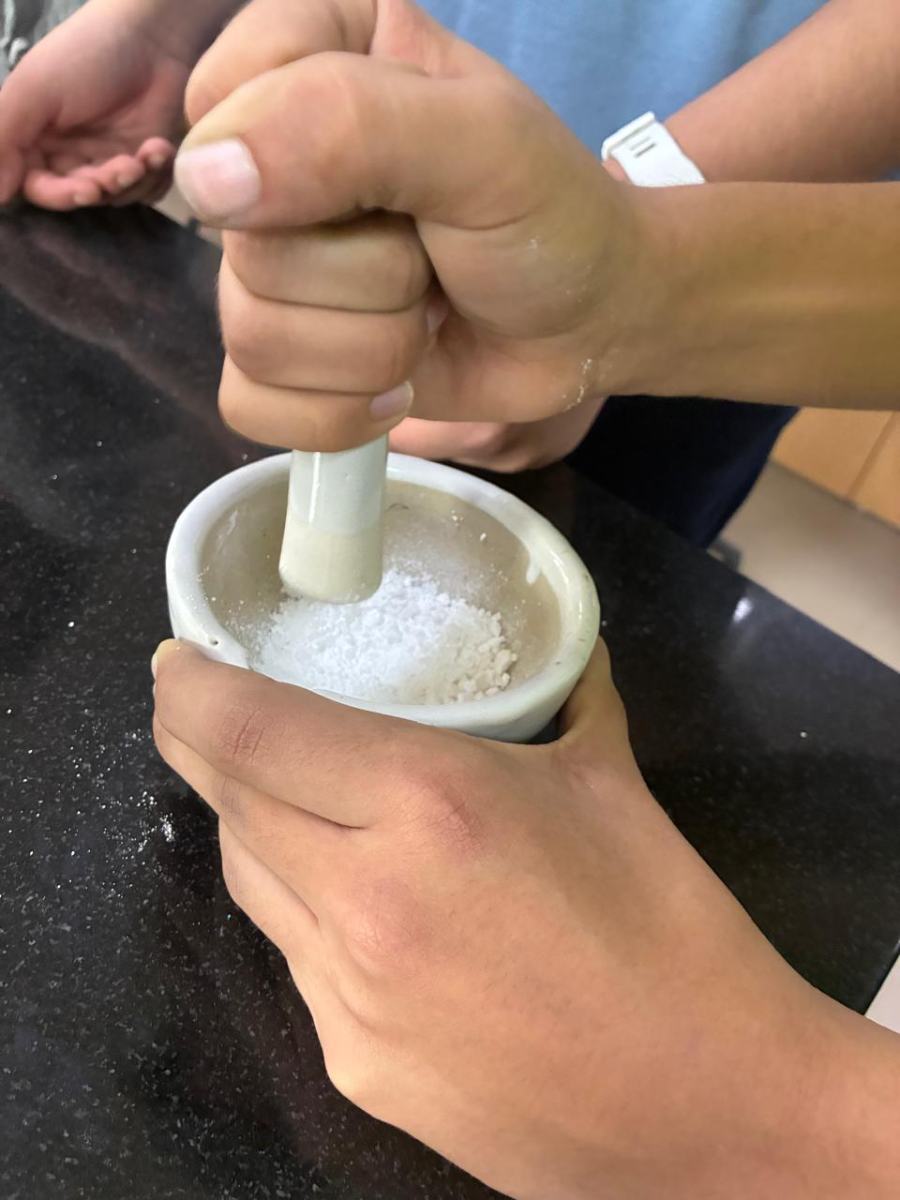
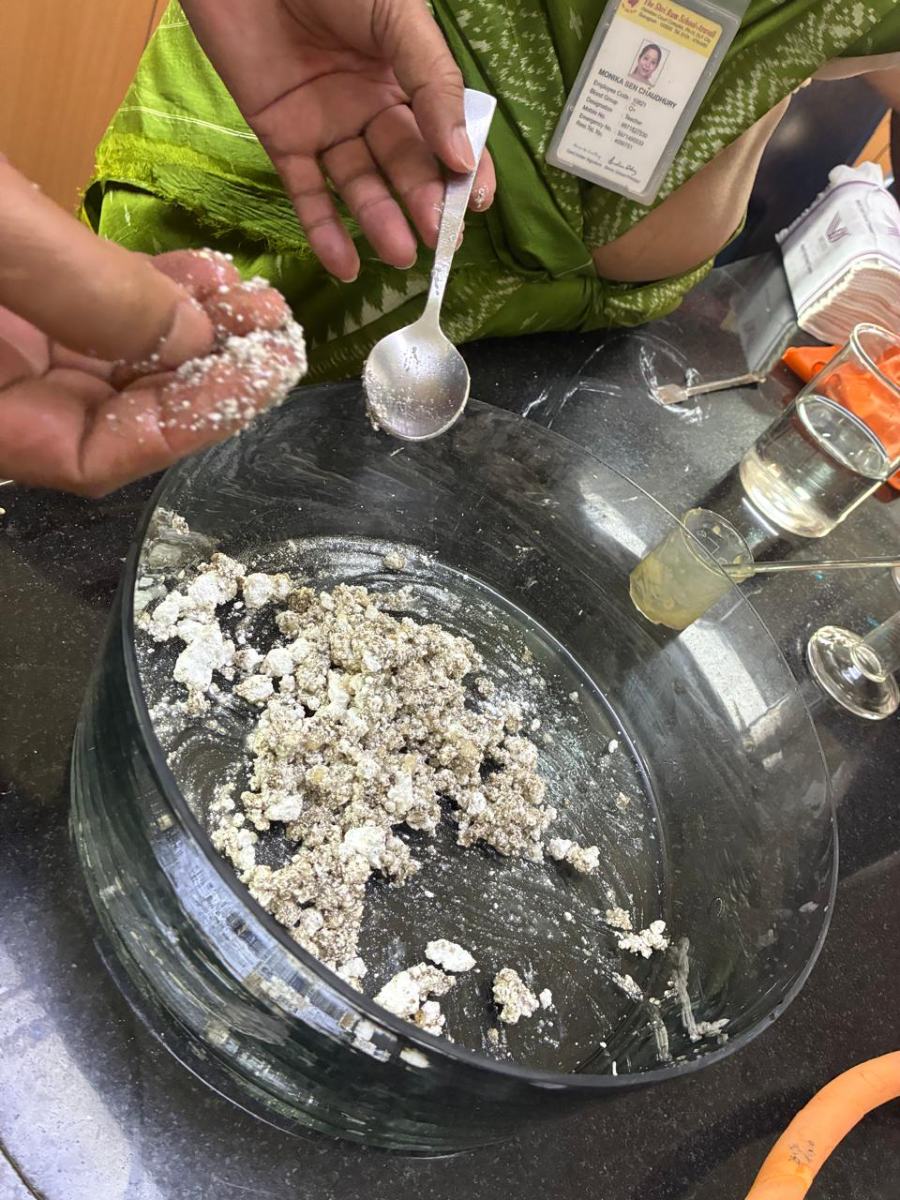
Stored maize DDGS, left over from ethanol production, smells too strong for cattle. I tested zeolite, activated carbon and blends to reduce the odour.
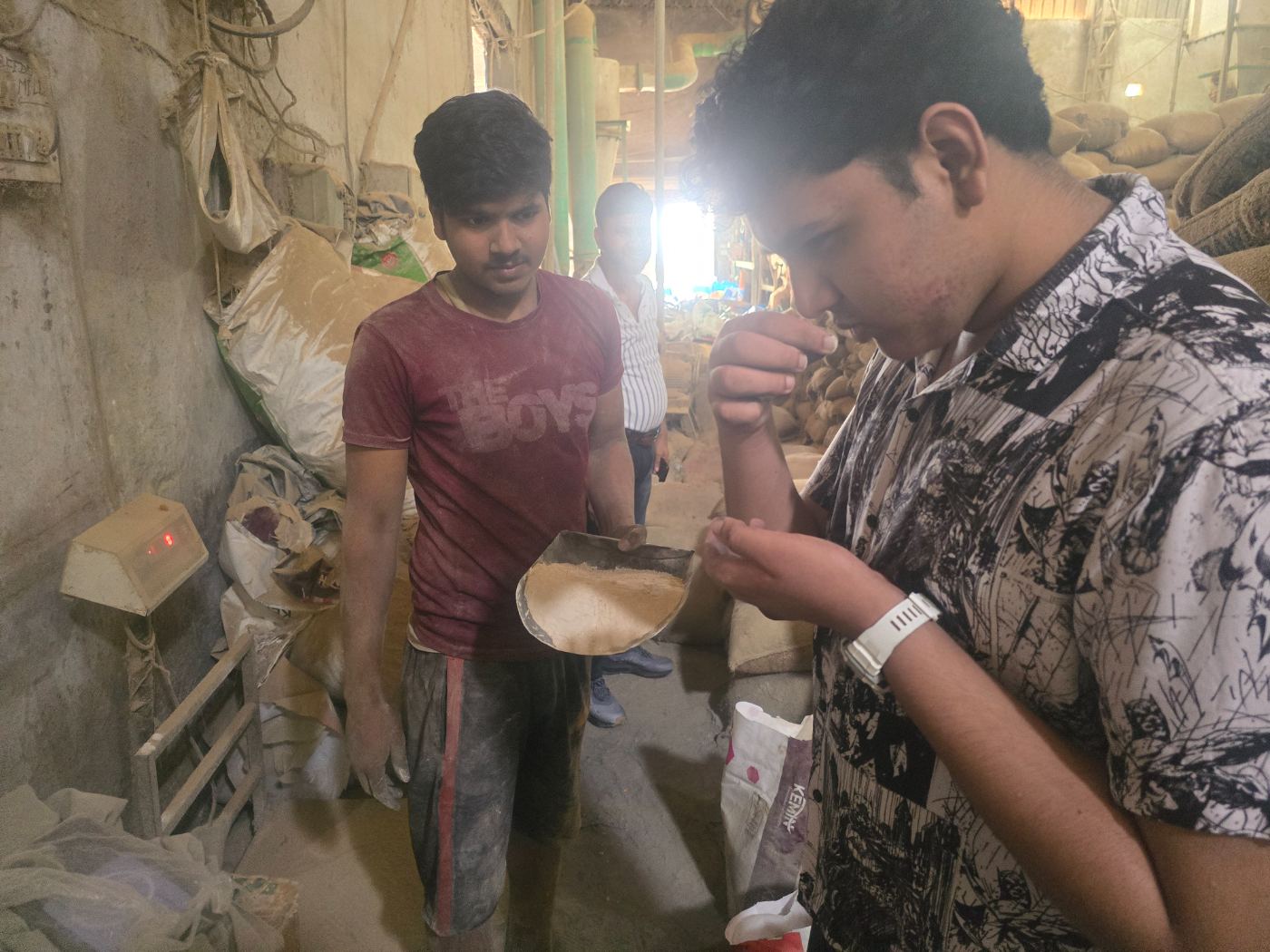
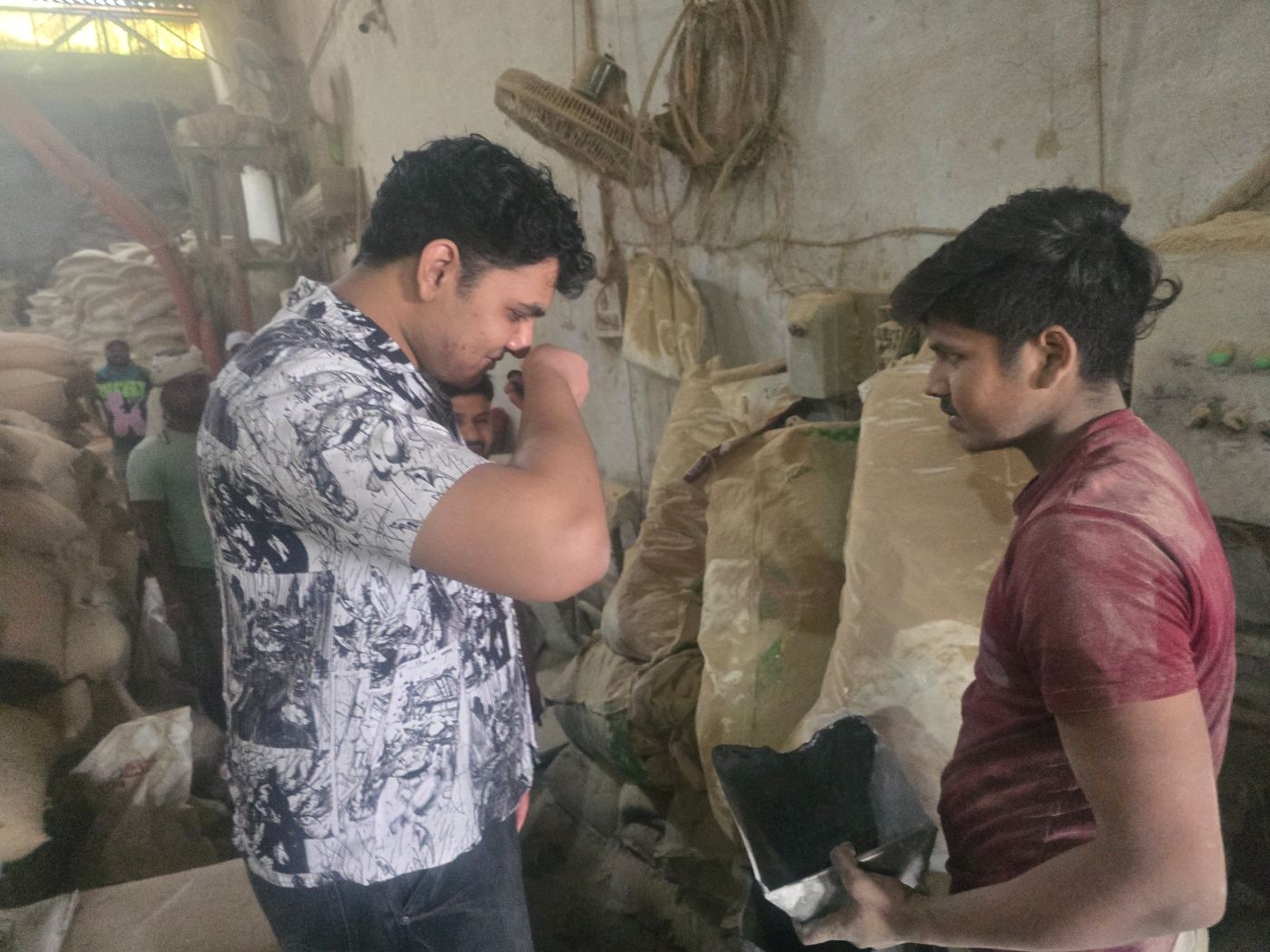
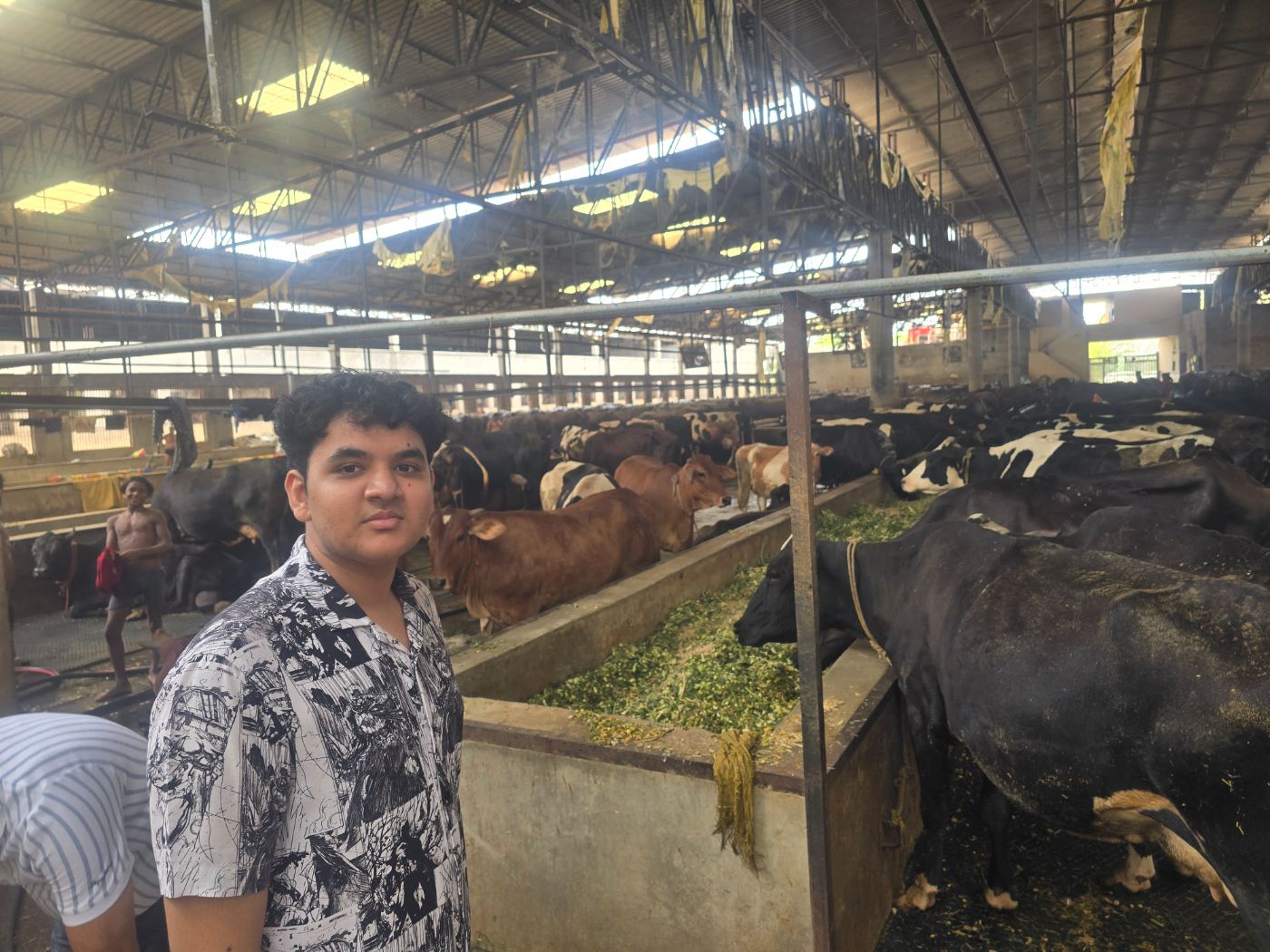
A 0.5% zeolite + 0.5% activated carbon blend was accepted in an exploratory feeding trial.
One cow, one occasion. All three samples passed our smell test; the cow ate only one. The full story is on Home →
Published,
presented, judged.
Test R² 0.895, MAE 1.01 kW; simulated 28.9% lower operating-hour energy while meeting EN 13201 M5.
DOI 10.46254/EU09.20260269 ↗~240,000 readings across 22 meters at Sakkatech LLP; faulty capacitor panel and overnight compressor use identified.
DOI 10.46254/NA11.20260206 ↗Tested zeolite, activated carbon and blended treatments; a 0.5% zeolite + 0.5% activated carbon blend was accepted in an exploratory one-cow feeding trial.
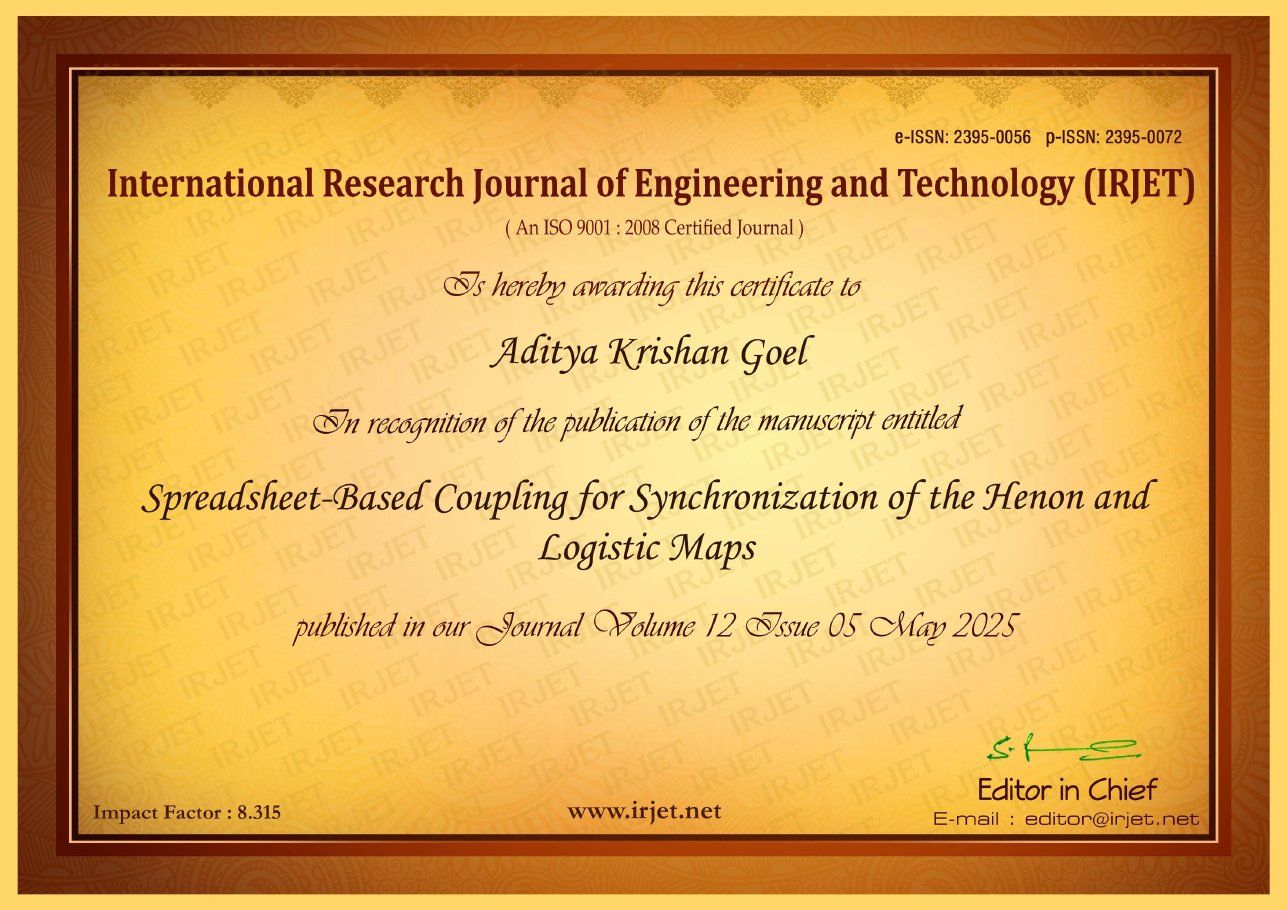
SEE THE STUDY ABOVE ↗Two parameter-mismatched chaotic maps synchronized within ~10 iterations using open-plus-closed-loop coupling, built entirely in spreadsheet formulas.
CH3 Awards
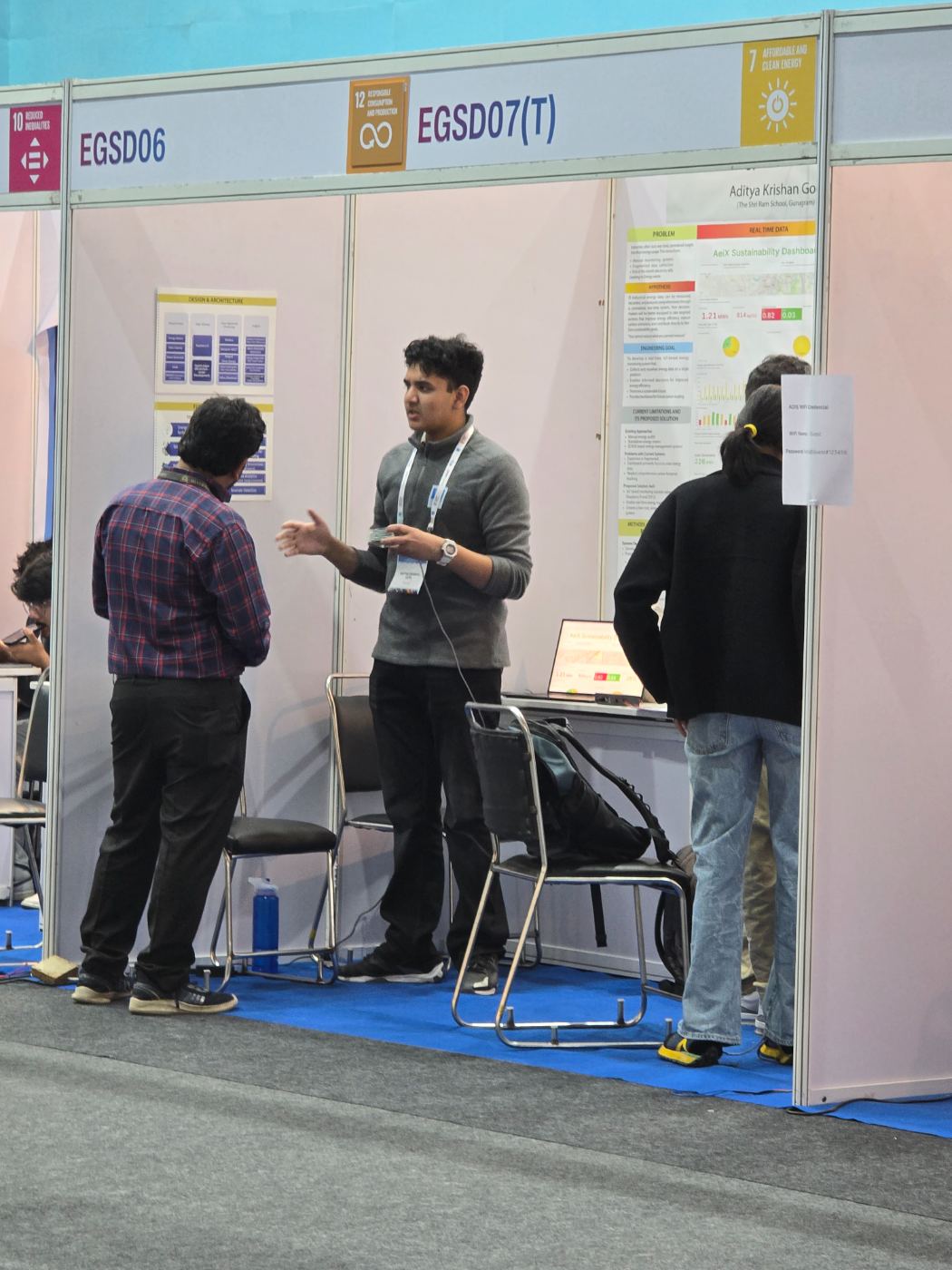
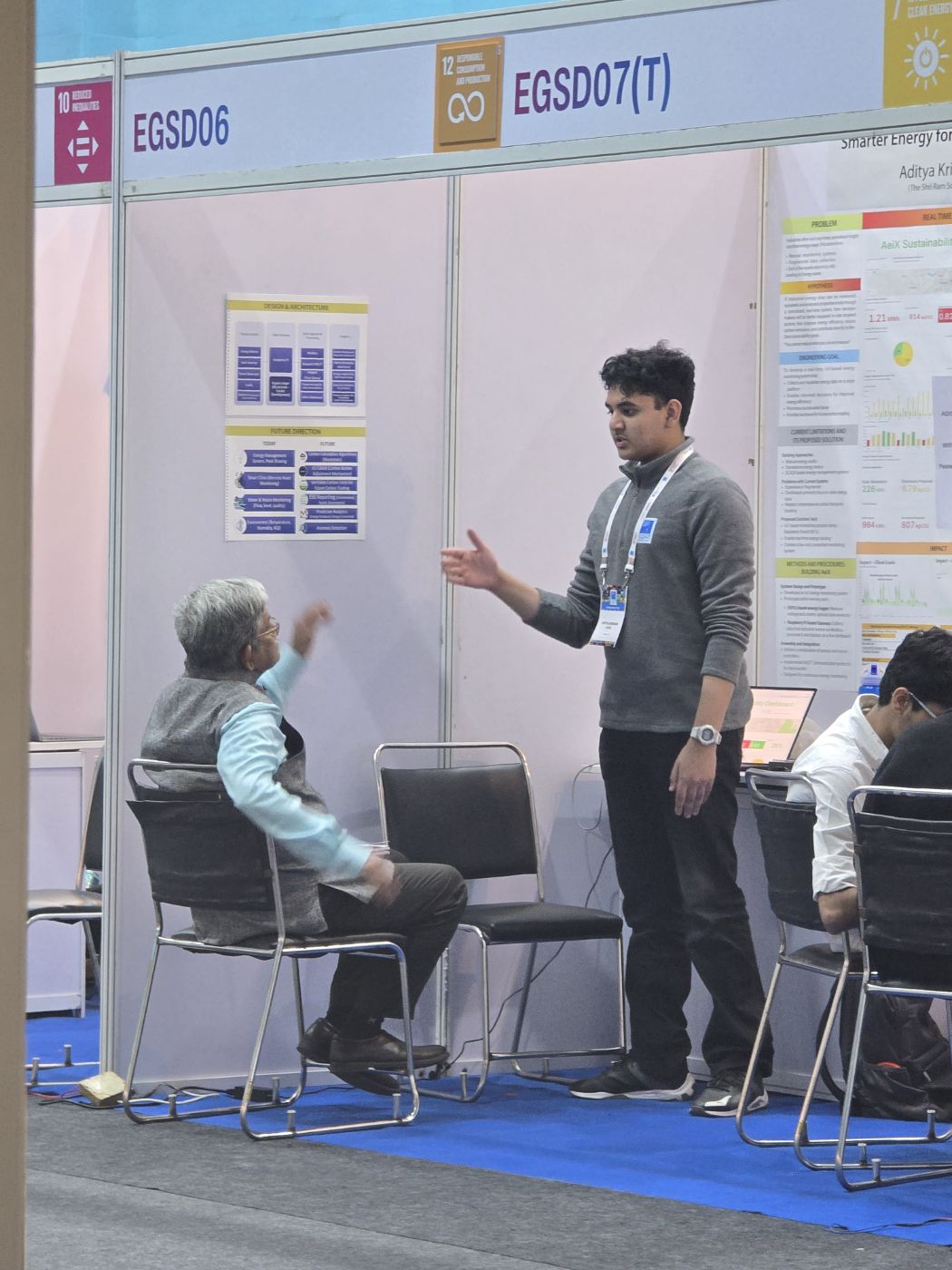
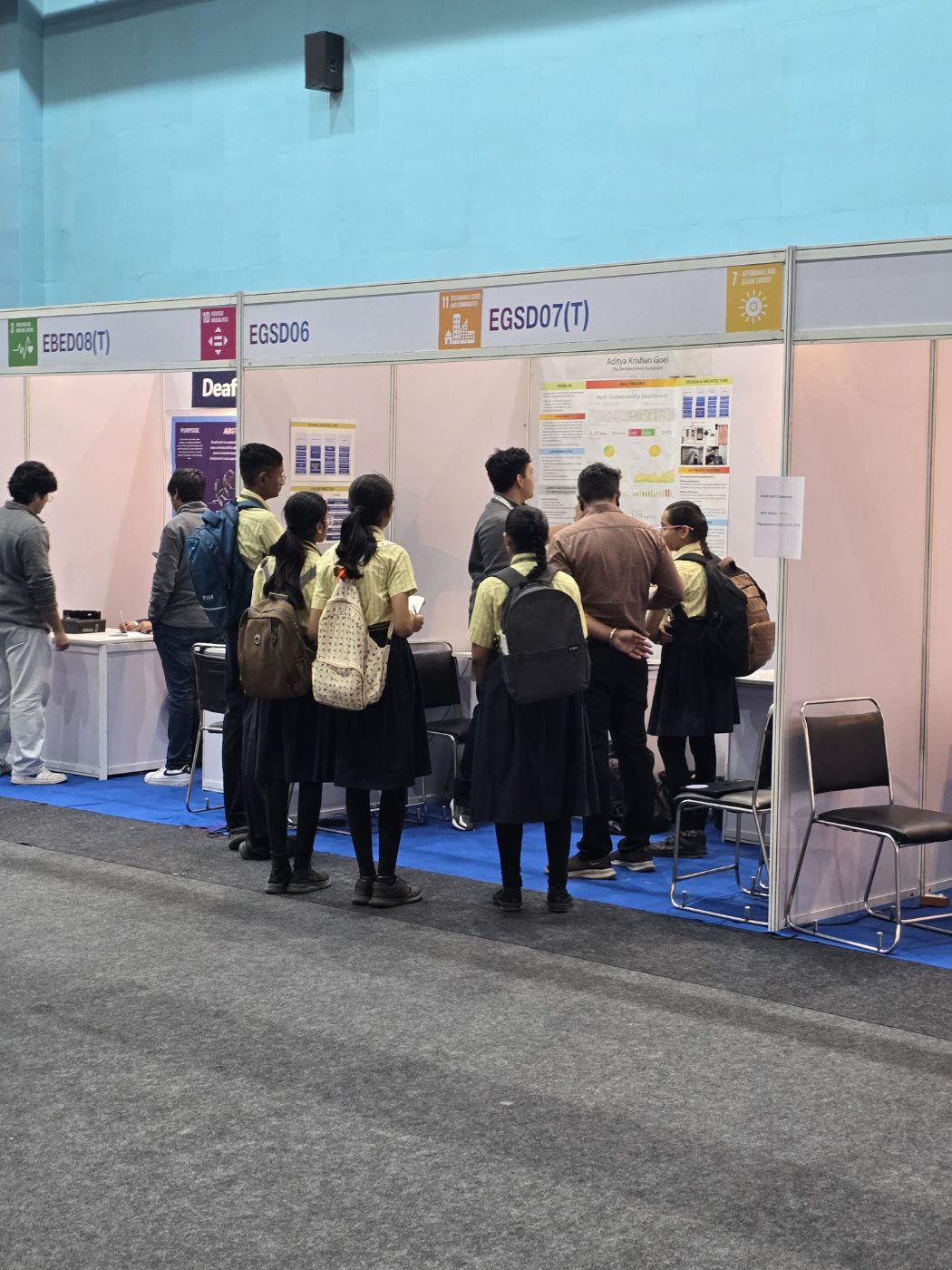

CH4 Community
Physics you
can fold.
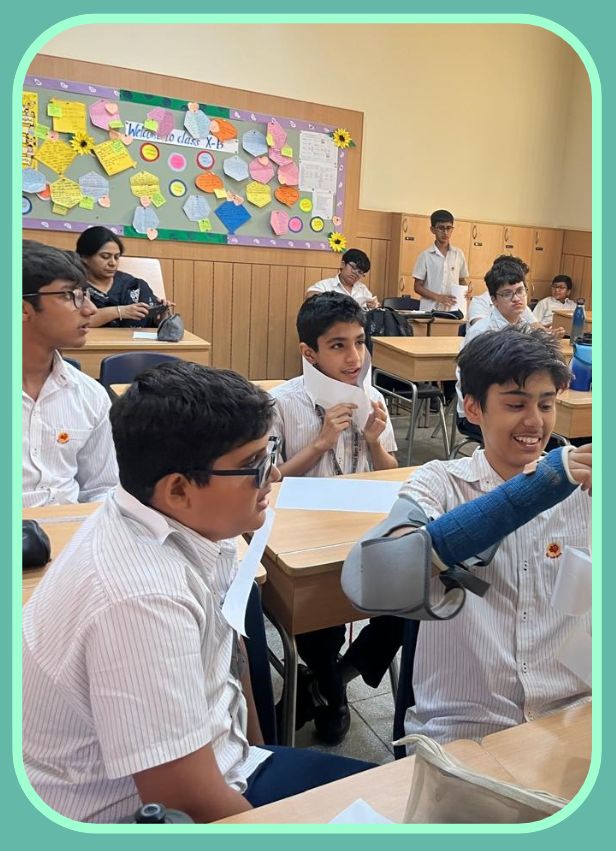
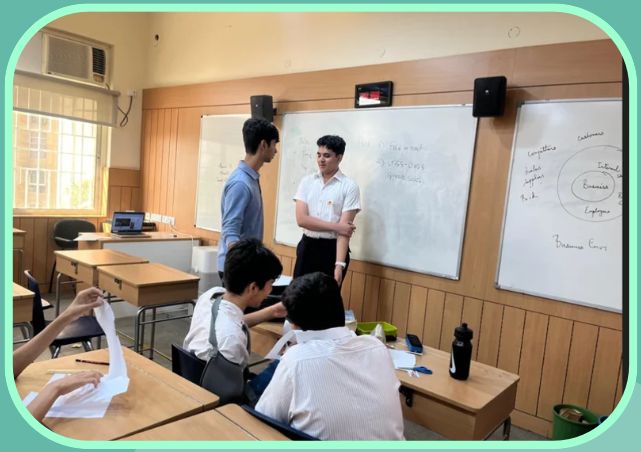
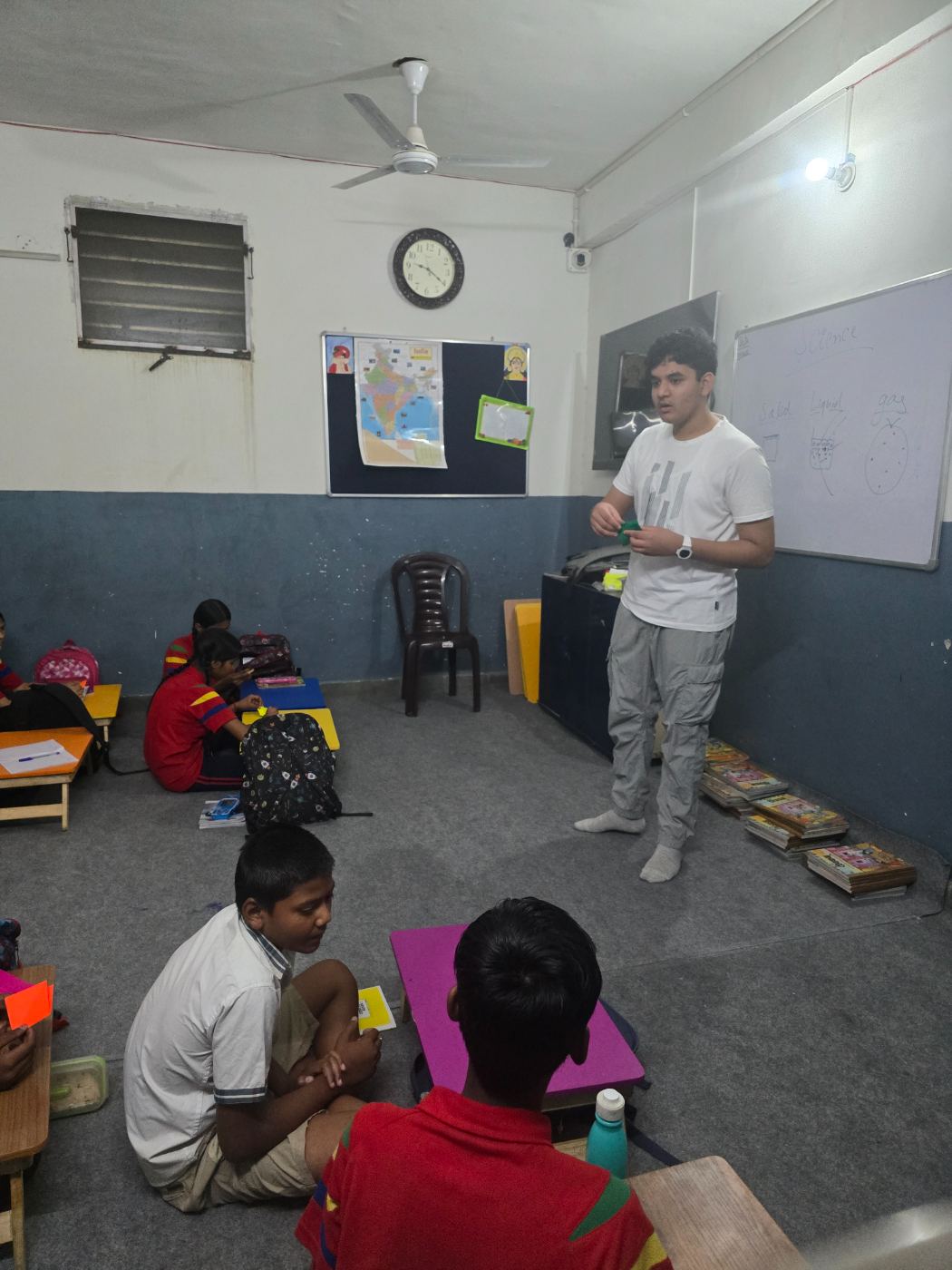
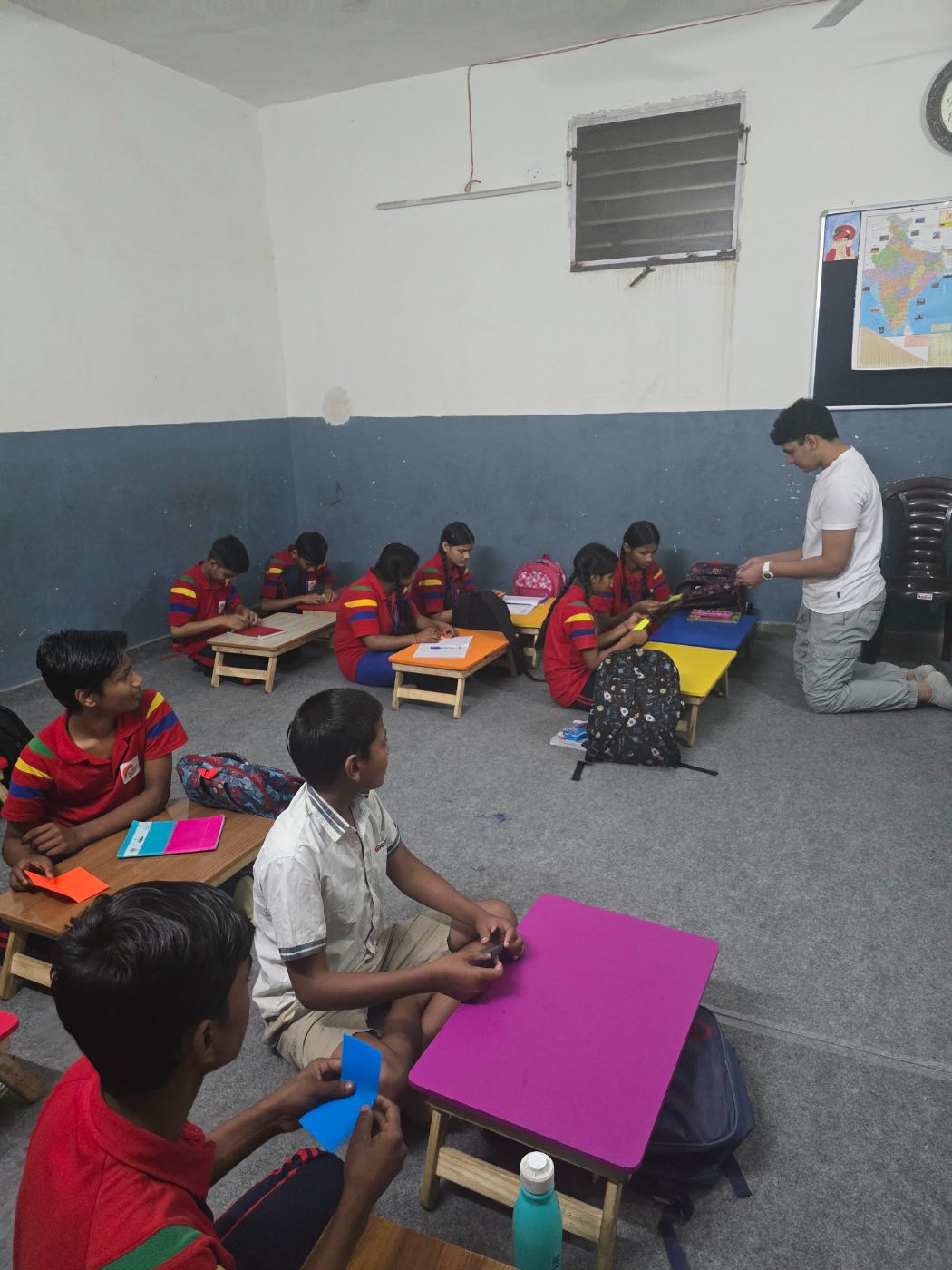
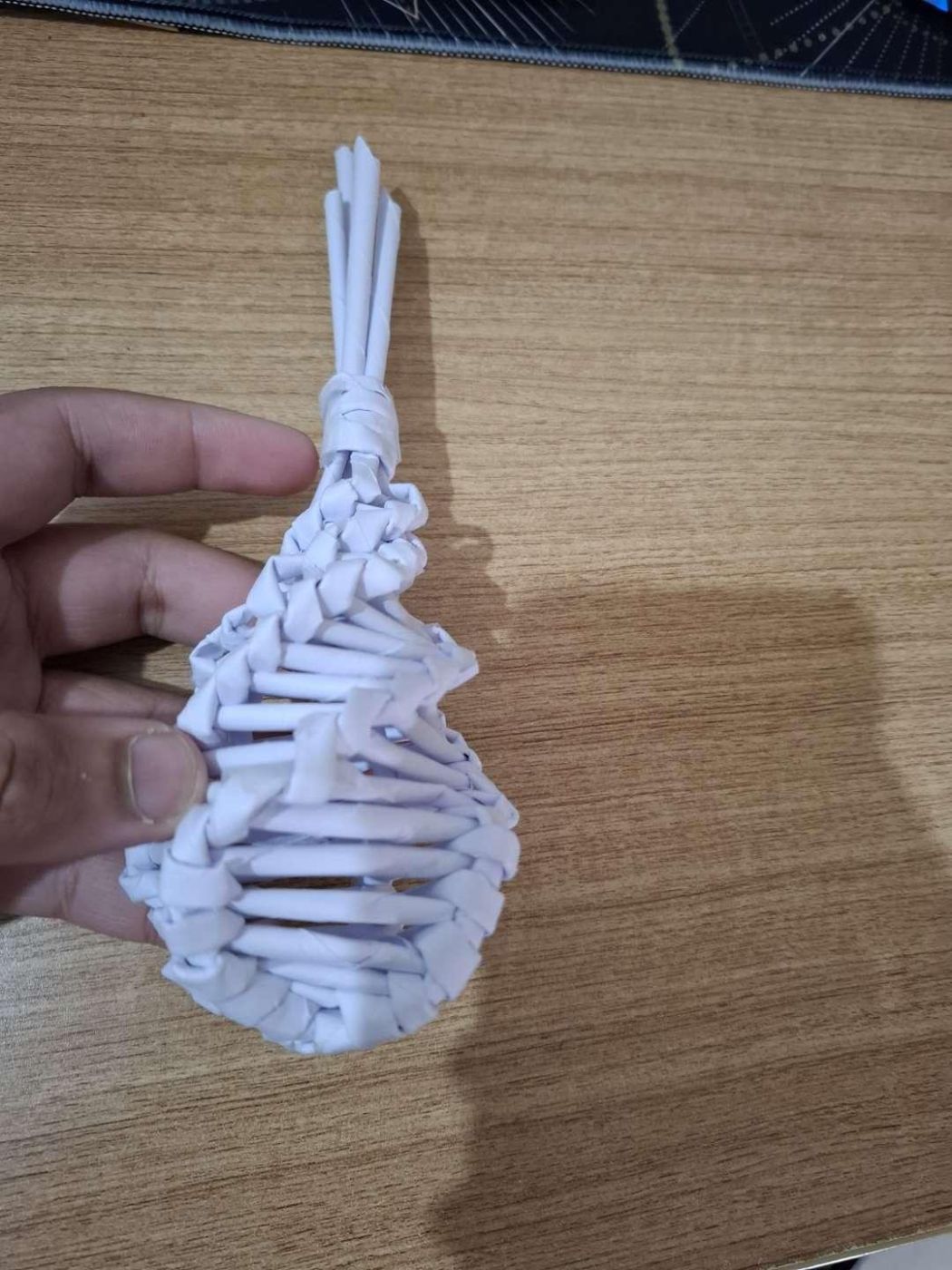
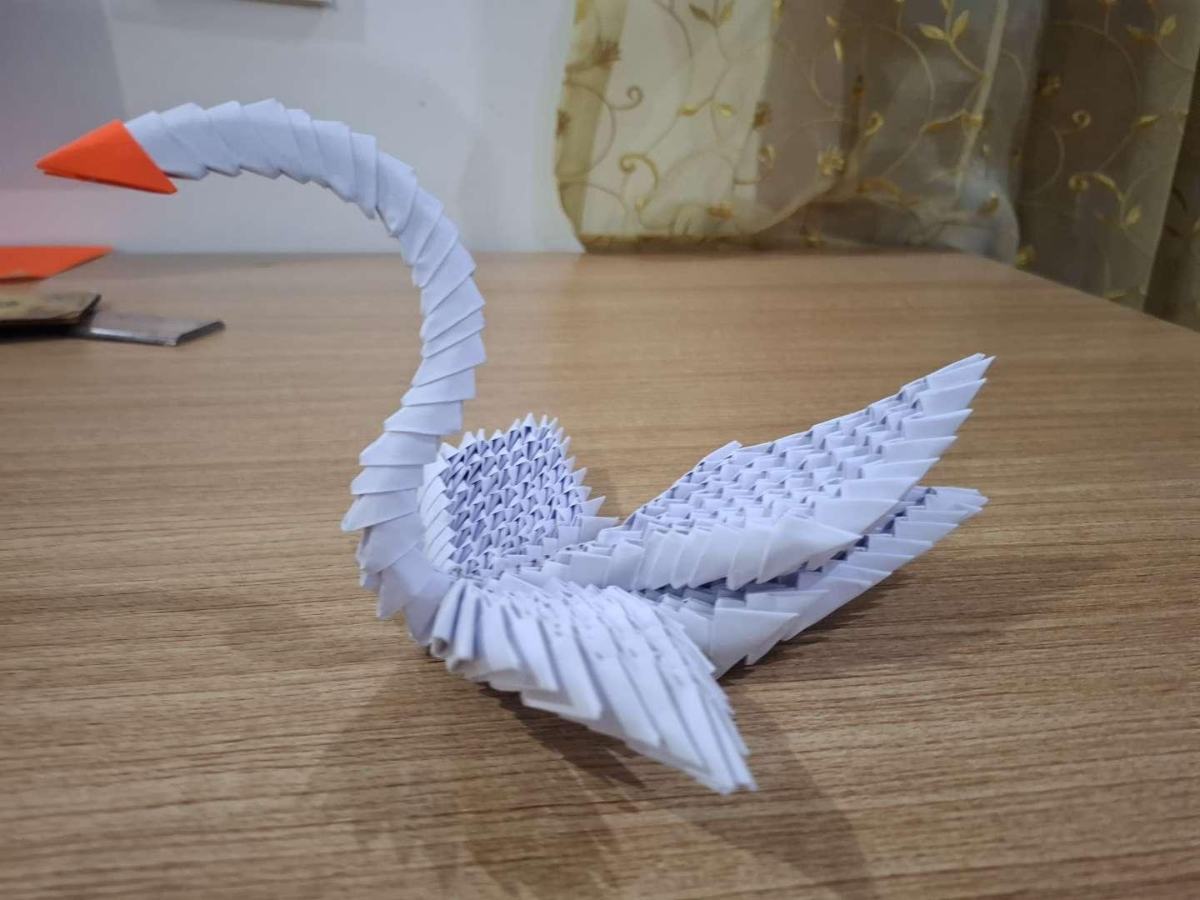
Six bilingual (English–Hindi) lessons that teach forces, motion, energy and structures through paper folding. I trained two teachers at Nanhe Kadam Pathshala to deliver them on their own, so the sessions continue without me.